



Using a business line of credit to grow sounds smart, until interest and missed payments flip a boost into a burden.
A line can be a practical timing tool: borrow for a short, revenue-linked need and repay when cash arrives.
But responsible use means drawing only for specific, short-term, revenue-generating activities, planning repayment before you borrow, and keeping utilization low (aim for 30 percent or less).
This post shows the tradeoffs, simple math to vet opportunities, and three clear first steps to use your line for steady, sustainable growth.
How to Use a Business Line of Credit Responsibly (Quick Start Guide)

A business line of credit is revolving credit that lets you borrow up to a set limit, repay, and borrow again. You pay interest only on what you draw, not the full approved amount. Typical limits run from $5,000 to $1,000,000, depending on your revenue, how long you’ve been operating, and your creditworthiness. Lines of credit work like a business credit card but usually come with lower rates and bigger limits. They’re built for short-term financing needs that’ll generate revenue or stabilize operations within weeks or months. They’re not meant for permanent capital or long-term asset purchases.
Responsible use starts with discipline. Draw only what you need for a specific, revenue-linked purpose, and know how you’ll repay before you request funds. Keep utilization below 30 percent of your total line to protect your credit score and preserve borrowing capacity. Match every draw to a predictable cash inflow: invoice collections, seasonal sales, or a completed project milestone. Say you draw $25,000 to stock inventory for the holidays. Plan to repay that balance once inventory sells and cash hits your account, usually within 60 to 120 days. Don’t use the line to cover recurring operating shortfalls beyond two consecutive pay cycles. That signals a structural revenue or margin problem, not a timing gap.
Repayment planning isn’t optional. Before you draw, forecast the cash needed to cover interest and principal, and build a buffer for slower collections. Many lenders offer flexible repayment windows from 6 to 48 months, but shorter is safer for short-term needs. Weekly or monthly payment schedules should match your cash conversion cycle. Weekly works if you collect receivables often, monthly if your inflows are lumpy. Use repayment calculators to model different scenarios and set up automated payments to avoid late fees and score damage.
Top 5 Steps for Responsible Credit Usage:
- Draw only for specific, revenue-generating activities. Think inventory purchases, marketing campaigns, equipment that cuts costs.
- Target utilization at or below 30 percent of your approved limit to keep business credit strong and leave emergency capacity open.
- Write a repayment schedule before drawing. Match principal and interest payments to expected cash inflows.
- Monitor cash flow weekly with a 13-week rolling forecast and stress-test a 20 percent revenue decline to confirm you can service debt under downside conditions.
- Don’t roll draws into new draws. If you’re borrowing to repay prior balances beyond two months, pause and fix the cash-flow issue before drawing again.
Best Practices for Sustainable Credit‑Driven Growth
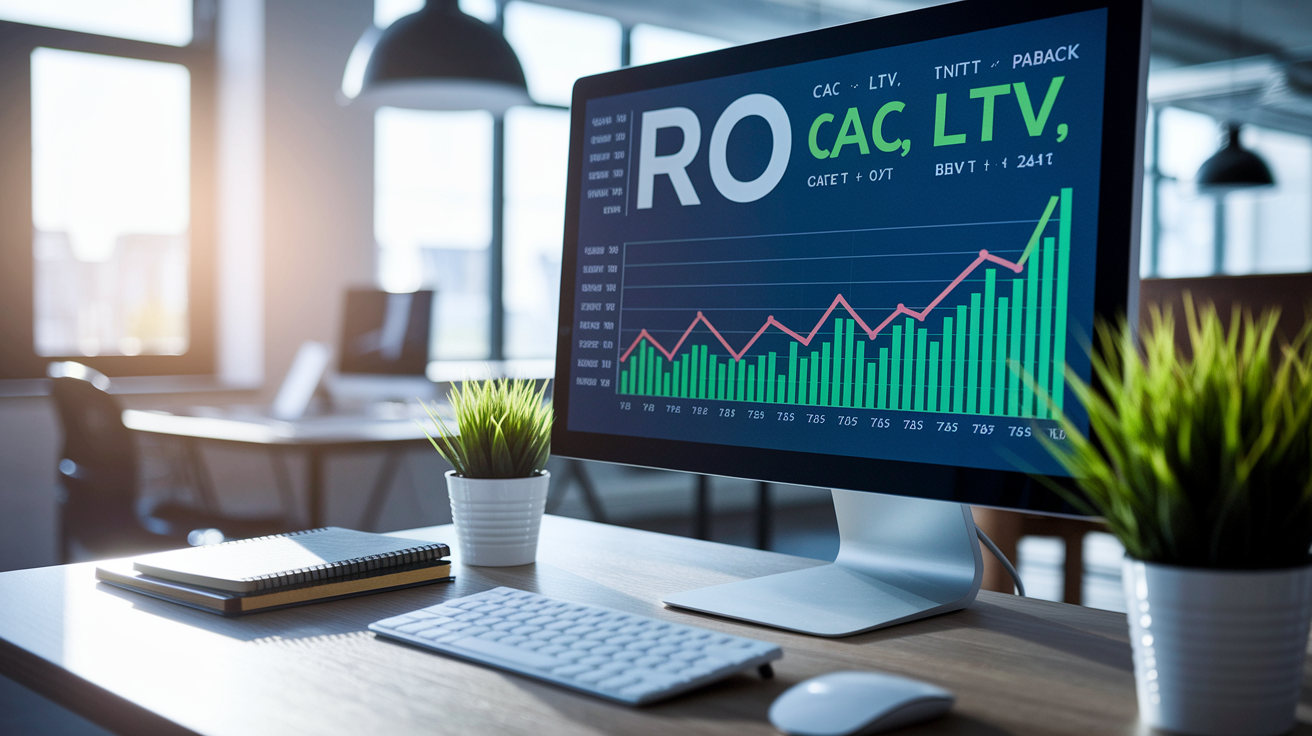
Sustainable credit use means borrowing to fund activities that produce measurable returns within the repayment window. Align every draw with a goal: increase throughput, capture margin-accretive sales, stabilize operations during predictable slow periods, or speed up customer acquisition with trackable conversion metrics. A $50,000 draw to finance a targeted digital marketing campaign makes sense if you can document expected customer acquisition cost of $200, lifetime value of $800, and a 12-month payback period. A $50,000 draw to cover rent for three months doesn’t, unless you’re executing a turnaround plan that’ll permanently increase revenue or cut costs. The difference is whether the credit use solves a timing problem or masks a business-model problem.
Financial discipline is your guardrail. Before requesting a draw, calculate the expected return on investment and confirm it beats your interest cost plus a margin for risk. If you borrow at 8 percent APR for 90 days to buy inventory at a 20 percent supplier discount, and you sell that inventory at a 25 percent gross margin, the incremental profit should cover the interest and leave a buffer. Run a downside scenario where sales take 30 days longer or margins compress by 5 points, and verify you can still repay on schedule. This kind of pre-draw modeling prevents over-leveraging and keeps credit use tied to realistic cash generation.
Credit-driven growth works when you treat the line as a tool for timing arbitrage, not a substitute for equity or patient capital. Use it to bridge gaps, capture discounts, or seize short-lived opportunities. Then repay quickly and preserve capacity for the next one.
Cash Flow Planning and Short‑Term Liquidity Management

Lines of credit solve timing mismatches between when you need cash and when you collect it. Typical short-term scenarios include covering payroll during a seasonal lull, paying suppliers before customer invoices clear, or stocking inventory ahead of a demand spike. These uses work as long as the cash-flow gap is predictable, temporary, and backed by identifiable incoming revenue. A landscaping business might draw $30,000 in February to cover payroll and equipment prep before spring contracts start generating cash in April. The key is matching the repayment horizon to the revenue cycle. If collections arrive within 60 to 90 days, plan a 60- to 90-day amortization, not a 24-month schedule that extends interest costs and risk.
Effective cash-flow management requires weekly monitoring and forward-looking forecasts. Build a 13-week rolling cash-flow model that tracks receivables, payables, payroll, tax payments, and seasonal expenses. Update it every Monday. Before drawing on your line, identify the exact week when cash will arrive to fund repayment, and add a two-week buffer for late payments or slower sales. Set a target debt service coverage ratio of at least 1.25, meaning your operating cash flow should cover 125 percent of your debt payments. If projected cash flow falls below 1.0 under a stress scenario, say a 20 percent revenue drop or 15-day increase in days sales outstanding, delay the draw or reduce the amount until your forecast improves.
Treasury-management tactics can reduce reliance on borrowed capital and lower interest costs. Negotiate faster payment terms with key customers, offer early-pay discounts to speed up collections, and use short-term sweep accounts to invest idle cash overnight. Keep a cash reserve equal to at least two months of operating expenses in a liquid account. That buffer lets you cover small gaps without drawing on the line, preserving your utilization ratio and reducing total interest expense over time.
Common short-term cash-flow scenarios where a line of credit is beneficial:
- Seasonal inventory purchases. Stocking up 60–90 days before peak sales season, with repayment from seasonal revenue.
- Invoice timing gaps. Covering expenses while waiting for large receivables to clear, net-30 or net-60 payment terms.
- Payroll during slow months. Bridging one or two pay cycles until project milestones or seasonal contracts resume.
- Supplier early-pay discounts. Drawing funds to capture 2–5 percent supplier discounts when the net savings exceed interest costs.
Smart Investment Uses for a Business Line of Credit

A line of credit can fund growth investments that deliver measurable returns within the repayment term. High-return uses include targeted marketing campaigns with tracked customer acquisition costs and lifetime value, equipment upgrades that reduce unit labor costs or increase capacity, inventory expansion to capture margin-accretive sales, and operational improvements like software or training that lift productivity. The common thread is a clear, time-bound payback. The investment should generate enough incremental cash flow to cover the principal, interest, and a margin for risk before the amortization period ends.
A manufacturer might draw $60,000 to purchase a CNC machine that increases throughput by 15 percent and reduces per-unit labor costs. If the equipment adds $8,000 in monthly gross profit, the payback period is roughly 7.5 months before interest, and the business can convert the line balance to a five-year term loan, freeing the line for the next opportunity. A retailer could draw $25,000 at 7 percent APR for 90 days to buy seasonal inventory at a 20 percent supplier discount, expecting a 25 percent gross margin on sales and incremental gross profit around $6,250 after cost of goods. Both examples tie the draw to a specific activity, quantify the expected benefit, and plan repayment from the incremental cash the investment generates.
Don’t use a line of credit for purchases that take years to pay back or that don’t directly increase cash flow. Long-lived assets like real estate, facility renovations, or major IT infrastructure should be financed with term loans amortized over the asset’s useful life. If you need equipment costing more than $50,000, plan to convert the line draw to term financing within 90 to 180 days. That keeps the line available for short-term, high-turnover uses and prevents you from tying up revolving capacity with slow-payback investments.
| Investment Type | Expected Benefit |
|---|---|
| Seasonal inventory purchase | 20–30% gross margin uplift from capturing peak demand; repayment within 60–120 days from sales. |
| Equipment upgrade or acquisition | 15–25% increase in throughput or unit cost reduction; payback in 12–30 months; convert to term loan after initial draw. |
| Targeted marketing campaign | Customer acquisition cost $200, lifetime value $800 (4x LTV:CAC); payback within 8–12 months from new customer revenue. |
| Emergency repairs or critical maintenance | Prevents business interruption; preserves ongoing revenue; repayment from stabilized operations within 30–90 days. |
Risk Mitigation and Credit Utilization Management

Keeping credit utilization low protects your business credit score, lowers interest costs, and preserves emergency borrowing capacity. Utilization is the ratio of outstanding balance to total credit limit. Target 30 percent or below for best credit health. If you have a $200,000 line, keep your drawn balance under $60,000 whenever possible. Utilization above 70 percent for more than one month signals overreliance on borrowed capital and can trigger lender reviews or rate increases. High utilization also leaves no cushion for unexpected expenses, forcing you to either max out the line or seek emergency financing at worse terms.
Risk management starts with stress-testing your cash flow before drawing funds. Model a downside scenario: reduce revenue by 20 percent, increase days sales outstanding by 15 days, and compress gross margin by 5 percentage points. If liquidity falls below one month of operating expenses under that scenario, halt non-essential draws and build your cash reserve first. Maintain alternative financing channels, an undrawn backup line equal to at least 25 percent of expected near-term needs, or access to a business credit card for small emergencies. Diversify your funding so no single lender controls your liquidity, and negotiate borrowing-base lending with clear advance rates, such as 60 percent of eligible receivables and 50 percent of eligible inventory.
Monitor warning signs of credit misuse and act quickly when they appear. Red flags include utilization above 70 percent for more than 30 days, days sales outstanding exceeding 60 days or increasing by more than 15 days quarter-over-quarter, gross margin compression greater than 5 percentage points in a quarter, any missed or late payments, and repeated covenant waivers or increases in borrowing-base advances. If you see two or more of these signals, stop drawing, run a full cash-flow and margin audit, and develop a corrective plan before conditions worsen.
Monitoring Utilization
Track your utilization ratio weekly as part of your cash-flow review. Calculate it by dividing current outstanding balance by total approved limit, and plot the trend over 13 weeks. If utilization is creeping upward without corresponding revenue growth, you’re likely using credit to cover structural shortfalls rather than timing gaps. Set an internal ceiling. Many businesses use 50 percent as a “yellow flag” threshold and 70 percent as a “red flag” requiring immediate action. Pay down the line before your statement closing date each month to reduce reported utilization and improve your credit profile. This tactic works because most business credit bureaus report the balance on the statement date, not the average daily balance.
Maintaining Financial Buffers
A cash reserve equal to two to three months of operating expenses is your first line of defense against revenue shocks, late payments, or unexpected costs. If monthly operating expenses run $40,000, maintain $80,000 to $120,000 in a liquid savings or money-market account. This buffer lets you avoid drawing on the line for small emergencies, keeps utilization low, and gives you breathing room to negotiate better payment terms with vendors or customers. Combine the reserve with a weekly cash-flow forecast and a stress-tested “what-if” model. Together, these tools prevent overreliance on borrowed capital and reduce the risk that a temporary setback forces you into a debt spiral.
Common Mistakes and How to Avoid Them

The most damaging mistake is using a line of credit to fund recurring operating losses instead of temporary timing gaps. If you’re drawing to cover payroll for three or more consecutive months, or if your outstanding balance never decreases, you have a structural revenue or margin problem, not a cash-flow timing issue. Credit can’t fix a broken business model. Stop drawing, audit your pricing and cost structure, and either cut fixed costs, raise prices, or seek equity capital to fund a turnaround. Using revolving credit to paper over losses will only compound interest costs and delay necessary changes.
Another error is ignoring repayment planning until the bill arrives. Many businesses draw funds opportunistically, inventory on sale, a marketing idea, an emergency repair, without modeling how they’ll repay principal and interest. The result is a drawn balance that lingers for months, accruing interest and crowding out future borrowing capacity. Before every draw, write down the repayment source and timeline. If you can’t identify specific cash inflows within 90 to 180 days that’ll cover the balance plus interest, delay the draw until your forecast is clearer.
Drawing too much at once is another trap. It’s tempting to max out the line “just in case,” but that spikes utilization, increases interest costs, and often leads to spending on lower-priority items. Discipline means requesting only the amount tied to a specific investment or gap, plus a small buffer for timing uncertainty, typically 10 to 15 percent above the core need. If you need $45,000 for inventory, draw $50,000 to cover supplier timing or freight surprises, not $100,000 because the limit allows it.
Five common errors and how to avoid them:
- Funding long-term assets with short-term credit. Don’t use a line of credit for equipment, real estate, or renovations. Use term loans amortized over the asset’s useful life, and convert line draws to term financing within 90 to 180 days if you’ve already drawn.
- Ignoring utilization ratios. Keep outstanding balance below 30 percent of the limit. Monitor weekly and pay down before statement dates to improve credit reporting.
- Skipping stress tests. Always model a 20 percent revenue decline and 15-day DSO increase before drawing. If you can’t service debt under that scenario, reduce the draw or delay until cash flow improves.
- Repeated draws without repayment. If your balance stays flat or grows month-over-month, you’re masking a structural problem. Audit your cash flow, fix the root cause, and avoid rolling debt indefinitely.
- Neglecting fee and interest calculations. Confirm draw fees (0 to 2 percent per draw), APR, and whether early repayment waives remaining interest. Factor total cost into your ROI model before requesting funds.
Scenario Examples of Responsible Credit Use

Retailer seasonal inventory push. A boutique clothing store draws $40,000 from its $75,000 line in August at 8 percent APR to stock inventory for the holiday season. The owner negotiates a 15 percent supplier discount for bulk purchase and forecasts 30 percent sell-through uplift from November through January. Gross margin on the new inventory is 35 percent, generating incremental gross profit around $12,000 after cost of goods. The store repays the $40,000 balance plus $1,067 in interest by mid-January using holiday sales receipts. Utilization peaks at 53 percent in September, then drops to 10 percent by February, preserving capacity for spring inventory.
Manufacturer equipment bridge. A metal fabrication shop draws $150,000 in March to secure a $120,000 CNC machine and cover installation and training costs. The equipment increases production capacity by 20 percent and reduces per-unit labor by $3.50. The shop arranges a five-year term loan in May and uses it to pay off the line balance, converting short-term revolving debt to long-term fixed amortization. The equipment generates an additional $8,000 in monthly gross profit, covering the term-loan payment of $2,400 and improving working capital by $5,600 per month. The line is freed for the next short-term need within 60 days.
SaaS growth marketing campaign. A software-as-a-service company draws $50,000 from its line in Q2 to fund a paid acquisition push across search and social channels. Customer acquisition cost is tracked at $250, and each new customer generates $100 in monthly recurring revenue with an estimated lifetime value of $800, 8-month payback, 3.2x LTV:CAC ratio. The campaign brings in 200 new customers over 90 days, adding $20,000 in new MRR. The company repays the $50,000 balance plus $1,250 in interest within 10 months from the incremental subscription revenue, and the cohort remains profitable for two years, validating the investment.
Service business payroll bridge. A landscaping company draws $15,000 in February to cover two payroll cycles while waiting for spring contracts to begin generating invoices. The owner forecasts $60,000 in revenue from March through May, with net-30 payment terms, meaning cash starts arriving in April. The $15,000 draw is repaid in full by late April using the first wave of receivable collections. Interest cost at 7 percent APR for 60 days is $172. The company avoids laying off trained crew, maintains service quality, and captures the full spring season revenue. Utilization stays below 25 percent and the line remains available for summer equipment repairs.
Final Words
In the action, this guide gave a quick-start on what a business line of credit is, when to draw, and how to match borrowing with predictable revenue and repayment plans.
You saw best practices for growth, cash-flow uses, smart investment ideas, ways to limit utilization, and common mistakes—plus real scenarios that show the financial logic.
Keep the responsible use of business lines of credit for growth front of mind: draw for revenue-producing needs, stress-test your cash flow, and you’ll have a flexible buffer to grow with less risk.
FAQ
Q: What is a business line of credit and how does it work?
A: A business line of credit is a flexible loan you draw from as needed; you borrow up to a limit, pay interest on what you use, repay, and can redraw during the term for short-term needs.
Q: How should I draw only what is needed from a line of credit?
A: Drawing only what’s needed from a line of credit means match each draw to a specific, revenue-generating expense, keep amounts small and short-term, and avoid using it for ongoing costs you can’t repay quickly.
Q: How do I match credit use with predictable revenue?
A: Matching credit use with predictable revenue means borrow only when you’ll have cash to repay within the cycle—use it for invoices, seasonal sales, or projects with clear payback dates to avoid rolling debt.
Q: How do I plan repayment for a line of credit?
A: Planning repayment for a line of credit means set a payment schedule tied to incoming cash, size draws to fit those payments, keep a repayment buffer, and test a downside where revenue drops.
Q: What are the top steps for responsible credit usage?
A: The top steps for responsible credit usage are limit draws to revenue projects, track utilization under 30 percent, set repayment dates, stress-test cash flow, and keep an emergency cash buffer.
Q: How can I use a line of credit to support sustainable growth?
A: Using a line of credit for sustainable growth means fund investments with clear ROI—marketing, equipment, or systems that boost efficiency—and avoid funding recurring costs that create long-term debt.
Q: When is a line of credit appropriate for cash flow gaps?
A: A line of credit is appropriate for short-term cash gaps like payroll, inventory timing, or late receivables—use small, timed draws and repay when receivables or seasonal sales arrive.
Q: What smart investments can I make with a business line of credit?
A: Smart investments with a business line of credit include targeted marketing campaigns, equipment upgrades, stocking inventory for high-demand seasons, and operational improvements that produce measurable cash returns.
Q: How do I manage utilization and reduce credit risk?
A: Managing utilization and reducing credit risk means track the percentage of your limit you use, aim to stay under about 30 percent, stress-test worst-case cash flow, and maintain a cash buffer.
Q: What common mistakes should I avoid when using a line of credit?
A: Common mistakes to avoid are using credit for non-productive expenses, skipping repayment planning, drawing too much at once, treating it like free cash, or failing to monitor terms and interest.
Q: Can you give short examples of responsible credit use?
A: Responsible examples are borrowing to buy seasonal inventory to meet forecasted sales, bridging payroll until receivables clear, funding a targeted marketing push that raises sales, or repairing equipment to prevent downtime.