


Is your grocery bill quietly eating a bigger slice of your paycheck?
Inflation raises costs at every step—from fuel and fertilizer to packaging and labor—so sticker shock isn’t random.
Between early 2020 and mid-2024, food and drink prices jumped about 29 percent in some metro areas.
This post shows how those supply-chain pressures push prices higher and gives clear, practical budget moves you can use right away: track receipts, set a cap, plan meals, and swap brands.
No gimmicks—just realistic trades to protect your week-to-week cash flow.
How Rising Inflation Drives Higher Grocery Prices
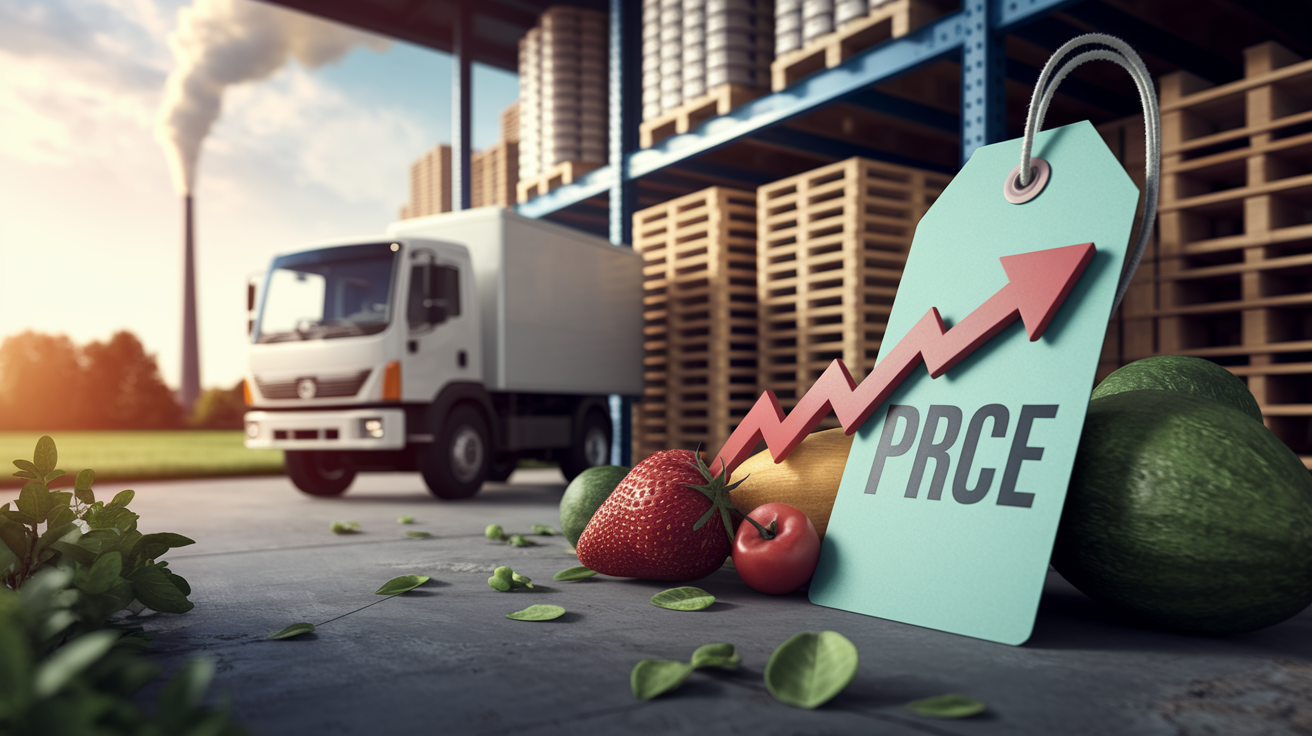
Inflation hits your grocery bill at every stage of the supply chain. When oil prices climb, trucking companies pay more to haul produce from farms to warehouses and then to stores. When fertilizer gets expensive because of natural gas shortages, farmers eat higher costs that don’t show up in corn, wheat, and soybean prices until months later. Packaging materials like cardboard and plastic? Those cost more too, and that expense lands in the final retail price. Retailers don’t absorb this stuff. They pass it straight through to you at checkout.
Between early 2020 and mid-2024, U.S. food and beverage prices jumped about 29 percent in some metro areas. The sharpest spike hit in 2022 when food prices shot up almost 10 percent, the biggest annual increase since 1979. There’s a lag between when input costs rise and when you see it on the shelf, usually three to twelve months. So a fuel price spike or a drought today means your grocery bill goes up several months from now. Energy costs, labor shortages, extreme weather, supply chain snarls—they all pile on. When diesel fuel gets pricier, it drives up costs for refrigerated transport, warehouse electricity, and farm machinery fuel all at once.
Grocery stores run on thin margins, often one to three percent. When wholesale costs go up, they adjust shelf prices to keep those margins intact. Some use shrinkflation, cutting package size while keeping the price the same. That raises the unit price without changing the sticker. Others pull back on promotions or push more private-label products. Either way, you’re paying more per ounce and per pound for the same items you bought last year.
Recent inflation hit these categories hardest:
- Eggs and poultry—avian flu outbreaks slashed supply; eggs saw price jumps of up to 119 percent at peak times since 2020.
- Meat and seafood—higher feed costs, labor expenses, and fuel for cold storage pushed beef, pork, and chicken up 4 to 10 percent year-over-year in recent periods.
- Dairy—rising feed prices for cattle and increased processing energy costs drove milk, cheese, and butter up 6 to 12 percent year-over-year.
- Fresh produce—weather volatility, irrigation costs, and labor shortages created price swings of 2 to 12 percent depending on the item and season; strawberries jumped 46 percent between mid-2023 and early 2024 before dropping again.
- Fats, oils, sugars, and baked goods—vegetable oil prices spiked from global harvest shortfalls and conflict-driven disruptions, while sugar prices rose roughly 55 percent globally in 2023; cereals and bakery products increased around 8 to 9 percent in a single year.
Key Factors Behind Today’s Grocery Price Increases

Fuel and transportation costs are the backbone here. When diesel prices climb, every truckload of produce, meat, or dry goods gets more expensive to move. Refrigerated transport uses even more fuel, so price spikes hit cold-chain goods harder. Long-haul routes magnify these costs. A one-dollar increase in diesel per gallon can add hundreds of dollars to a cross-country shipment, and those costs get spread across every pallet and every item inside.
Labor shortages across farms, processing plants, warehouses, and stores have pushed wages up and slowed everything down. When a meat-processing facility can’t hire enough line workers, throughput drops. Available product becomes scarcer and pricier. When a distribution center runs short-staffed, orders take longer to fill, inventory turns more slowly, and retailers raise prices to cover the inefficiency. Extreme weather creates supply shocks that ripple for months. Droughts shrink wheat harvests, floods damage vegetable fields, hurricanes disrupt citrus crops. Packaging material shortages, driven by pandemic-era factory closures and raw material scarcity, raised the cost of cartons, cans, plastic wraps, and bottles. A few cents added to every packaged item compounds fast when you’re buying dozens of products each week.
| Factor | How It Raises Grocery Prices |
|---|---|
| Fuel and Energy Costs | Higher diesel and electricity costs increase transportation, refrigeration, and processing expenses; passed through to retail prices within months. |
| Labor Shortages and Wage Increases | Tight labor markets force farms, processors, and stores to raise wages, reducing margins and prompting retail price hikes to maintain profitability. |
| Extreme Weather and Crop Failures | Droughts, floods, and storms reduce harvest yields, shrink supply, and drive up commodity prices for grains, produce, and livestock feed. |
| Packaging Material Costs | Shortages in cardboard, plastics, and metals increase the cost of cans, bottles, boxes, and wraps, adding incremental expense to every packaged product. |
Adjusting Your Budget to Handle Higher Grocery Costs
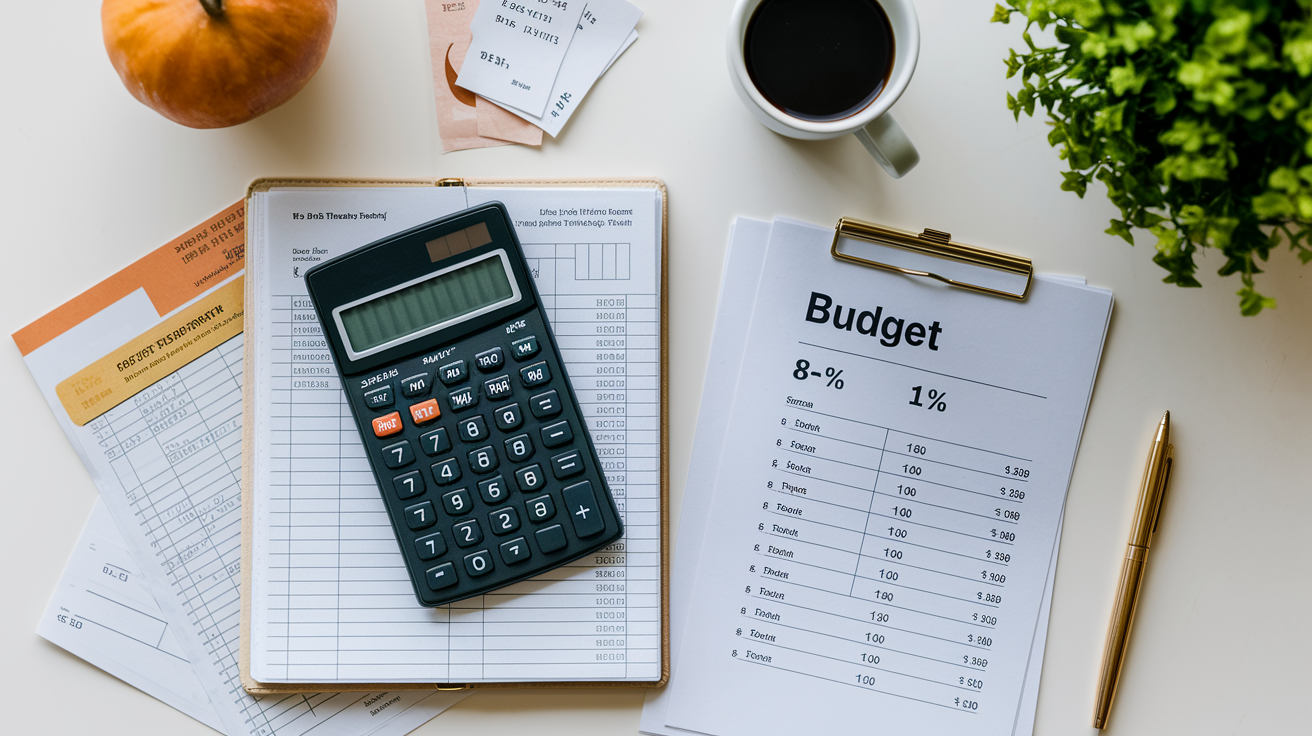
Start by calculating how much you’re spending on groceries each month and compare it to typical household benchmarks. Grocery spending usually falls between 5 and 15 percent of gross income, with a practical target of 8 to 12 percent depending on household size and local cost of living. If your monthly income is $5,000 and you’re spending $800 on groceries, that’s 16 percent. Higher than the target. Setting a new monthly cap based on realistic reduction goals gives you a clear spending boundary. Cutting 15 percent from an $800 monthly grocery bill brings it to $680, saving $120 per month or $1,440 per year.
Build a simple budget-adjustment worksheet. Write down your current monthly grocery spend, then multiply by your target reduction percentage to find your new budget. If you spend $900 and want to cut 12 percent, calculate 0.88 times $900 to get $792. The difference, $108 per month, can go toward debt payments, emergency savings, or other essentials. Add a 5 to 10 percent buffer to your grocery line to handle seasonal price swings or unexpected needs without breaking your overall budget structure.
Track receipts for two to four weeks to see where money’s actually going. Most households find that 20 core items account for 50 to 70 percent of total grocery spending. Identifying those high-cost staples lets you focus substitution and bulk-buying efforts where they’ll yield the biggest savings. Use a notebook, spreadsheet, or expense app. Whatever you’ll actually check weekly. Record item name, unit price, quantity, total cost, and category. That visibility makes it easier to spot impulse purchases, expensive convenience items, and opportunities to swap brands or formats.
Six practical cost-saving steps you can start right now:
- Set a firm weekly or monthly grocery budget and track every dollar spent to stay within it.
- Switch 10 to 30 percent of national-brand items to store brands, which typically cost 10 to 30 percent less per unit.
- Replace one or two meat-centered meals per week with bean, lentil, or egg-based dishes to reduce protein costs.
- Buy sale items in bulk only if you’ll use them before expiration, prioritizing discounts of 20 percent or more.
- Use digital coupons, store loyalty programs, and cash-back apps to stack savings on regular purchases.
- Plan meals for the week before shopping, write a detailed list, and avoid grocery trips when hungry to cut impulse buys.
Using Meal Planning to Reduce Weekly Food Spending
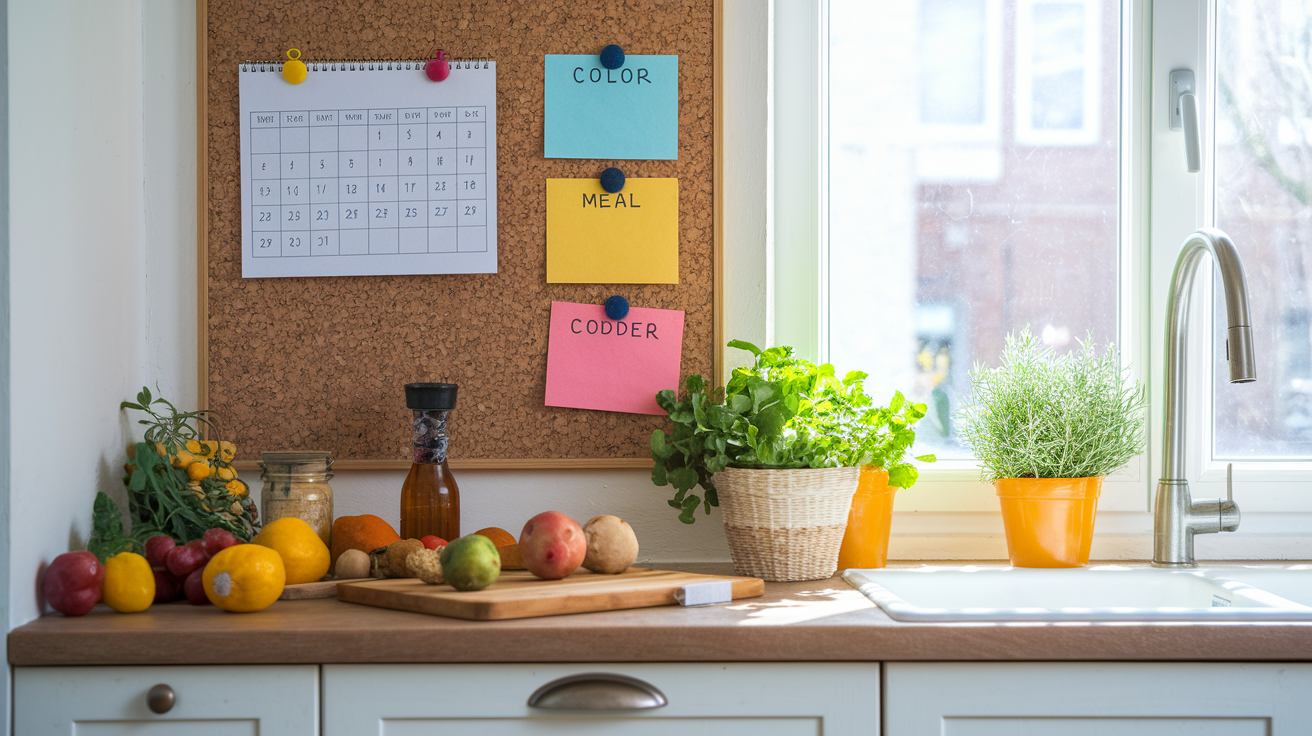
Planning your meals before you shop eliminates guesswork and the impulse purchases that can add 5 to 15 percent to your grocery bill. When you know exactly what you’re cooking for the next seven dinners and seven lunches, your shopping list becomes a focused roadmap instead of a vague suggestion. That structure prevents duplicate purchases, reduces the temptation to grab expensive prepared foods, and makes sure you buy only what you’ll actually use.
A structured weekly meal plan also cuts food waste, which represents 10 to 30 percent of grocery spending in many households. When ingredients are assigned to specific recipes, lettuce doesn’t wilt in the crisper, chicken breasts don’t freeze indefinitely, and leftovers get repurposed into the next day’s lunch instead of landing in the trash. Batch-cooking two to four times per week lowers per-meal labor and per-serving cost because bulk cooking uses ingredients more efficiently.
You don’t need elaborate menus or culinary expertise. Start with simple, repeatable recipes built around inexpensive staples like rice, beans, pasta, eggs, and seasonal vegetables. Aim for per-meal cost targets: $1.50 to $4.00 per person for low-cost meals, $4.00 to $8.00 for moderate meals that include meat or specialty ingredients. One pound of dried beans costs about $1.71 and yields roughly 12 servings, around $0.14 per serving. A cup of dry rice costs about $0.24 and serves four people, $0.06 per serving. Building meals around these foundations makes hitting cost targets straightforward.
Essential meal-planning methods:
- Choose 7 to 10 core recipes you can rotate weekly, minimizing decision fatigue and ingredient variety.
- Build each week’s plan around one or two proteins and three to four vegetable types to simplify shopping and reduce waste.
- Schedule batch-cooking sessions (Sunday afternoon, Wednesday evening) and freeze portioned leftovers for quick weeknight meals.
- Use a shared household calendar or app to track the week’s menu so everyone knows what’s planned and can prepare accordingly.
- Review your pantry, fridge, and freezer before planning to use up items you already own and avoid buying duplicates.
Smart Buying Habits: Bulk Purchases, Substitutions, and Seasonal Choices
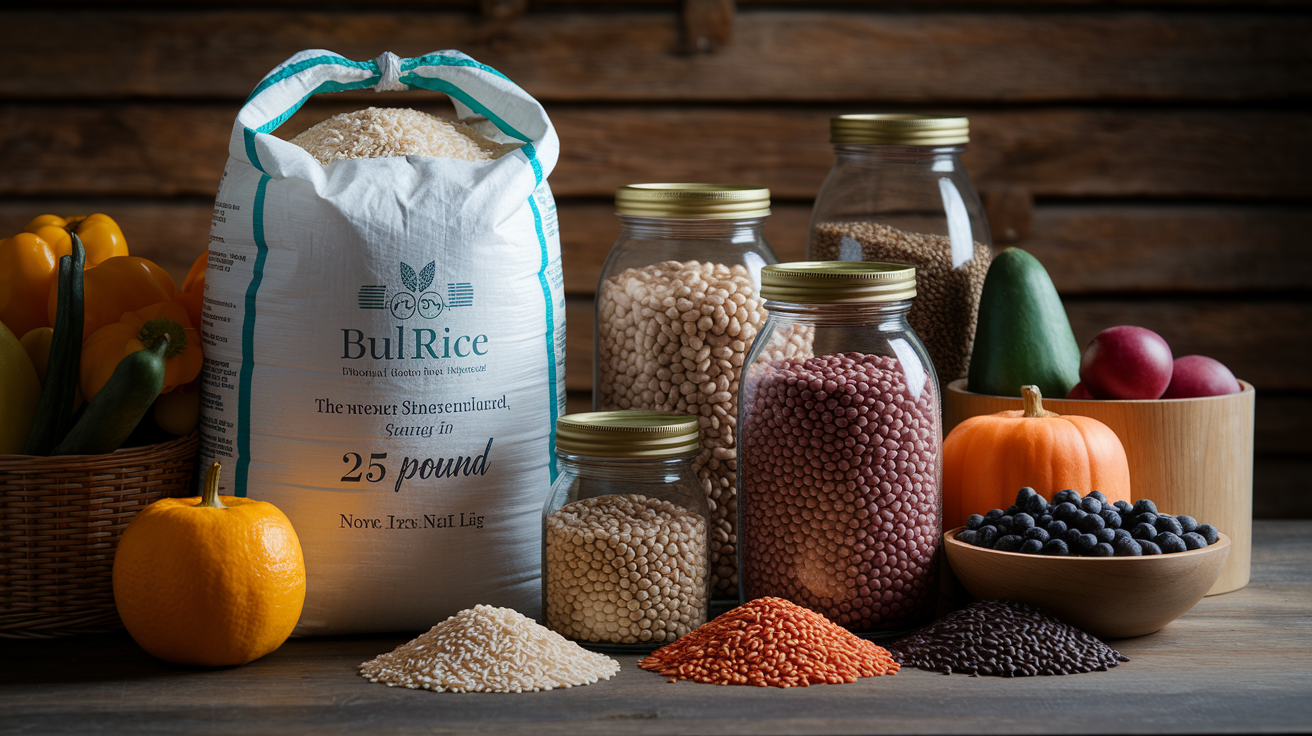
Buying staple items in bulk reduces per-unit cost by 10 to 35 percent compared to small-package purchases, especially for shelf-stable goods like rice, dried beans, pasta, canned tomatoes, and frozen vegetables. A 25-pound bag of rice often costs 20 to 40 percent less per pound than buying multiple 2-pound bags over time. The upfront expense is higher, but if you’ve got storage space and will use the product within its shelf life (white rice lasts two to five years when stored dry and cool, dried beans one to two years), the total cost per meal drops significantly. Bulk buying works best for items your household uses regularly and predictably, not for experimental ingredients that might sit unused.
Seasonal produce offers substantial savings because local availability and peak harvest volumes drive prices down. Strawberries can cost 46 percent more in winter compared to summer, but buying them in season and freezing extras for smoothies or baking lets you lock in lower prices year-round. In-season vegetables and fruits typically cost 20 to 50 percent less than their out-of-season counterparts. Frozen and canned produce fill the gap when fresh options spike. They offer similar nutrition, longer shelf life, and often lower cost per serving. Swapping fresh bell peppers for frozen during off-season months, or using canned diced tomatoes instead of fresh in soups and sauces, maintains meal quality while cutting spending.
Ingredient substitutions can reshape your grocery budget. Replace one or two weekly meat meals with plant-based proteins: dried beans at roughly $1.71 per pound yield 12 servings (about $0.14 each), while ground beef runs around $5.60 per pound for 4 servings ($1.40 each). Whole chickens cost about $1.99 per pound compared to $10.88 per pound for uncooked beef steak, so choosing poultry over red meat several times a week lowers protein costs. When baking or cooking, use store-brand flour at $0.57 per pound instead of buying prepared cookies at $5.00 per pound. Small swaps compound. Replacing name-brand pasta with store-brand saves 20 to 30 percent per box, and over a year those nickels and dimes add up to double-digit percentage reductions in total grocery spending.
Tracking Expenses to Stay Within Your Food Budget
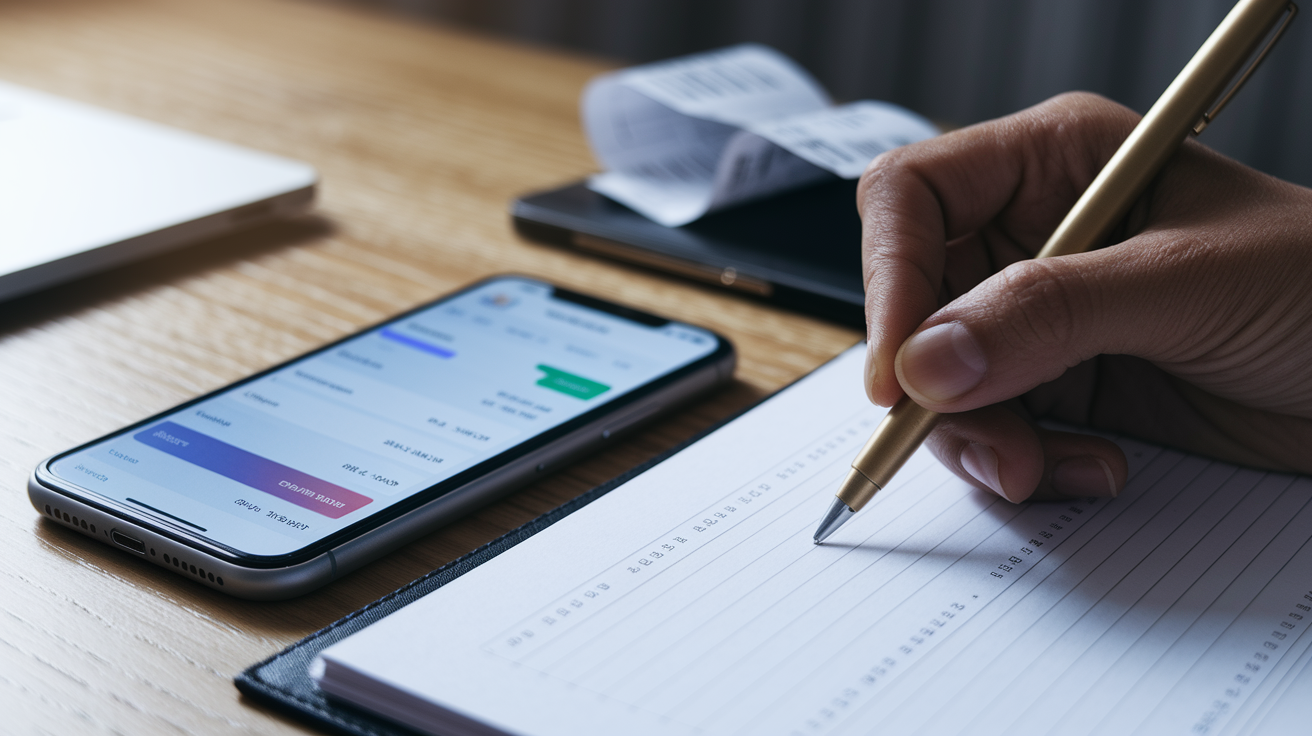
Tracking your grocery expenses each week reveals spending patterns that are invisible when you rely on memory or rough estimates. A lot of households discover they’re spending 10 to 30 percent more than they thought, often because of frequent small trips, impulse buys, or convenience purchases that seem minor in the moment but accumulate over the month. Recording every receipt (item name, unit price, quantity, and category) gives you the data to identify which categories consume the most money and where substitutions or cutbacks will have the biggest impact.
You don’t need complex software or apps to track effectively. A simple notebook, a basic spreadsheet with columns for date, store, item, quantity, unit price, and total, or a free expense-tracking app all work if you use them consistently. The key is weekly review. At the end of each week, total your grocery spending, compare it to your budgeted amount, and note any variances. If you budgeted $175 for the week and spent $210, write down what caused the overage (unplanned takeout, a bulk meat purchase, or higher-than-expected produce prices) so you can adjust the following week. Digital tools often categorize purchases automatically and generate charts, which can be helpful. But a handwritten log you actually maintain beats a sophisticated app you ignore.
Final Words
in the action, we showed how higher production, fuel, and labor costs push up meat, dairy, produce and packaged goods, how retailers pass costs on, and recent price trends since 2021. Then we walked through budgeting moves: meal planning, store brands, bulk buys, substitutions, and tracking to regain control.
Practice the steps slowly: try one change for a month, measure results, keep what works. This is a simple guide on how inflation affects grocery prices and how to adjust your budget, so you can keep meals healthy without financial stress.
FAQ
Q: What is the 5 4 3 2 1 grocery rule?
A: The 5 4 3 2 1 grocery rule is a quick shopping framework that structures a weekly list: five pantry staples, four produce items, three proteins, two dairy or fruits, and one treat to limit impulse buys.
Q: How does inflation affect the cost of groceries?
A: Inflation affects the cost of groceries by raising production, transportation, energy, and labor expenses, which retailers usually pass to shoppers as higher shelf prices, often hitting meat, dairy, and produce hardest.
Q: How to save on groceries during inflation?
A: To save on groceries during inflation, plan meals, buy store brands and seasonal produce, buy staples in bulk, compare prices, use lists and track receipts to cut monthly food costs by roughly 10–20%.
Q: How do you adjust your budget for inflation?
A: You adjust your budget for inflation by raising grocery and essentials allocations by expected inflation, trimming discretionary spending, adding a small cash buffer, and reviewing actual spending weekly to tweak amounts.