



Think you need to live like a monk to build a three-month emergency fund fast?
Nearly 40 percent of Americans can’t cover a $400 surprise, so this matters.
You don’t have to cut everything or wait years.
This post shows a practical way to hit your three-month target quickly by adding smart cuts, same-week income boosts, and one-time sales, while protecting a little life now.
Read on to get the simple first steps you can do today and a clear plan that only asks for temporary tradeoffs.
Determining Your Emergency Fund Target and Starting Fast
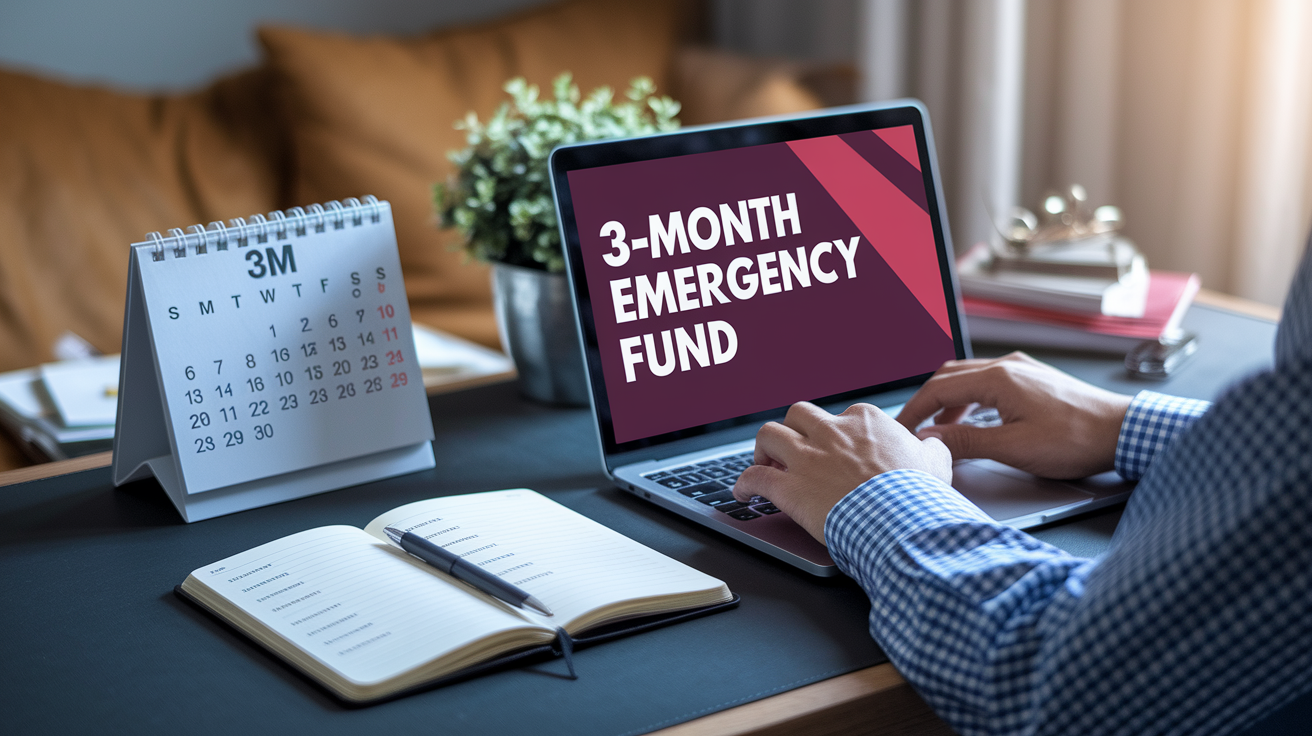
Nearly 40 percent of Americans can’t cover a $400 emergency without borrowing or selling something. That’s not about bad budgeting. It’s a system problem you can fix this afternoon by calculating your number and setting up a plan.
Your 3‑month emergency fund starts with one figure: monthly baseline expenses. Not your total income. Not what you spend on fun stuff. Just what you need each month to keep the lights on, pay rent or mortgage, buy groceries, cover insurance, and handle transportation. Add up your fixed bills plus the minimum you spend on food, fuel, and utilities in a typical month. Multiply by three. If you spend $2,800 on essentials, your target is $8,400. If it’s $3,500, you’re aiming for $10,500.
Once you’ve got that number, the fast‑start approach is dead simple: open a savings account today and move the first contribution before bed. Even if it’s $50 or $100, the fund exists. You’ve crossed the starting line.
-
List every fixed monthly expense like rent or mortgage, insurance, utilities, minimum loan payments, phone bill, internet, transportation.
-
Estimate your variable essentials such as groceries, fuel, recurring medical or childcare costs you can’t skip.
-
Add those two categories and multiply by three to get your 3‑month fund target.
-
Set a quick‑start contribution amount you can transfer in the next 24 hours, even if it’s small.
-
Schedule your first automatic transfer from checking to your emergency fund on your next payday, choosing an amount that matches what you’ve identified as available after cutting and earning more.
Cutting Expenses Aggressively for Rapid Savings

Aggressive spending cuts sound brutal, but most high‑impact reductions take less than a week and produce results you can see immediately. The goal isn’t eliminating every dollar of fun. It’s redirecting money that was disappearing into invisible categories and putting it where it actually protects you.
Start with recurring subscriptions and memberships. Cancel streaming services you haven’t opened in three weeks, pause meal‑kit subscriptions, call your gym to freeze or downgrade your plan if you’re only going twice a month. Each cut takes five minutes and creates permanent monthly savings. Review your utility and telecom bills. Call your internet provider, cable company, phone carrier and ask for current promotional rates or threaten to switch. Most will reduce your bill by $10 to $40 per month on the spot. If you’ve got multiple insurance policies with different companies, get bundling quotes. Switching car and renters insurance to one carrier can save $30 to $70 monthly.
- Streaming subscriptions: cancel everything you didn’t use last week, keep one service and rotate quarterly.
- Dining out and delivery: cut frequency in half and cook one extra meal per week at home.
- Convenience purchases: skip the gas‑station snacks, vending‑machine drinks, impulse coffee runs.
- Unused memberships: freeze your gym, cancel magazine subscriptions, drop any club or app you haven’t touched in 30 days.
- Phone plan: switch to a prepaid carrier or lower‑tier unlimited plan to save $20 to $50 monthly.
- Energy waste: unplug devices when not in use, lower your thermostat by two degrees, switch to LED bulbs if you haven’t already.
- Transportation: carpool twice a week, combine errands into one trip, or bike for short distances.
- Retail therapy and shopping apps: delete shopping apps from your phone and unsubscribe from promotional emails to remove spending triggers.
Rapid Income‑Boosting Tactics

Cutting expenses frees up existing money. Earning more creates entirely new dollars you can funnel directly into your emergency fund. The fastest income boosts come from work you can start this week with minimal training, approval delays, or upfront costs.
Same‑Day or 24‑Hour Earning Options
Sign up for a gig platform that pays daily or weekly. Deliver food or groceries for a service that deposits earnings within 24 hours using instant‑pay features. Offer a local service you can perform immediately, like yard work, car washing, furniture assembly, house cleaning. Post in neighborhood groups or apps and say you’re available this weekend. Join paid focus groups, user‑research studies, or online surveys that pay via gift cards or cash within 48 hours. Visit local plasma donation centers if eligible. Most pay $50 to $100 per visit and allow two donations per week.
Week‑Long Income Boosts
Pick up freelance projects on platforms where clients need fast turnarounds: writing blog posts, editing videos, designing graphics, bookkeeping, tutoring, virtual assistant work. Set your availability to evenings and weekends only, clearly state fast delivery. Apply for weekend‑only or event‑based part‑time jobs: retail restocking shifts, catering help, warehouse sorting, seasonal roles that hire quickly and pay weekly. Sell a skill as a service in your community. Teach music lessons, walk dogs, photograph events, repair electronics, provide tech support for small businesses.
Income Optimization at Your Current Job
Ask your manager if overtime is available for the next four to eight weeks. Make it clear you’re willing to cover extra shifts. If you’re salaried or ineligible for overtime, ask about short‑term project bonuses, referral incentives, temporary lead responsibilities that come with a pay bump. Request a schedule adjustment that opens time for a second income stream, like swapping a midweek day off for a weekend shift so you can take freelance work on weekdays.
The key is speed and volume. One tactic alone might generate $200 to $400 per month. Combine three and you’ve added $600 to $1,200 in new monthly contributions without waiting for a promotion or career change.
One‑Time Cash Generation Opportunities

Lump‑sum contributions speed up your timeline more than any other tactic. A single $1,000 deposit cuts months off your savings plan, and most households have at least that much value sitting unused.
Walk through your home and identify items you haven’t touched in six months: electronics, furniture, tools, sporting goods, unused gift cards, clothing with tags still attached. Sell locally using apps that support same‑day meetups and cash transactions, or use resale platforms that pay quickly via direct deposit. The goal isn’t emptying your house. It’s converting dormant value into financial security.
- Electronics: old phones, tablets, laptops, gaming consoles, cameras, accessories sell fast and often for $100 to $500 each.
- Furniture and home goods: gently used pieces, duplicate kitchen appliances, decor you no longer display.
- Clothing and accessories: higher‑end brands, unworn items, shoes, handbags, jewelry move quickly on consignment or peer‑to‑peer apps.
- Hobby and sports equipment: bikes, weights, golf clubs, skis, musical instruments, craft supplies you’ve outgrown.
- Baby and kids’ gear: outgrown car seats, strollers, toys, clothes have strong resale demand and quick turnover.
- Collectibles and media: books, vinyl records, video games, trading cards, memorabilia can fetch surprising amounts if you check current values first.
Choosing the Best Place to Store Your Emergency Fund
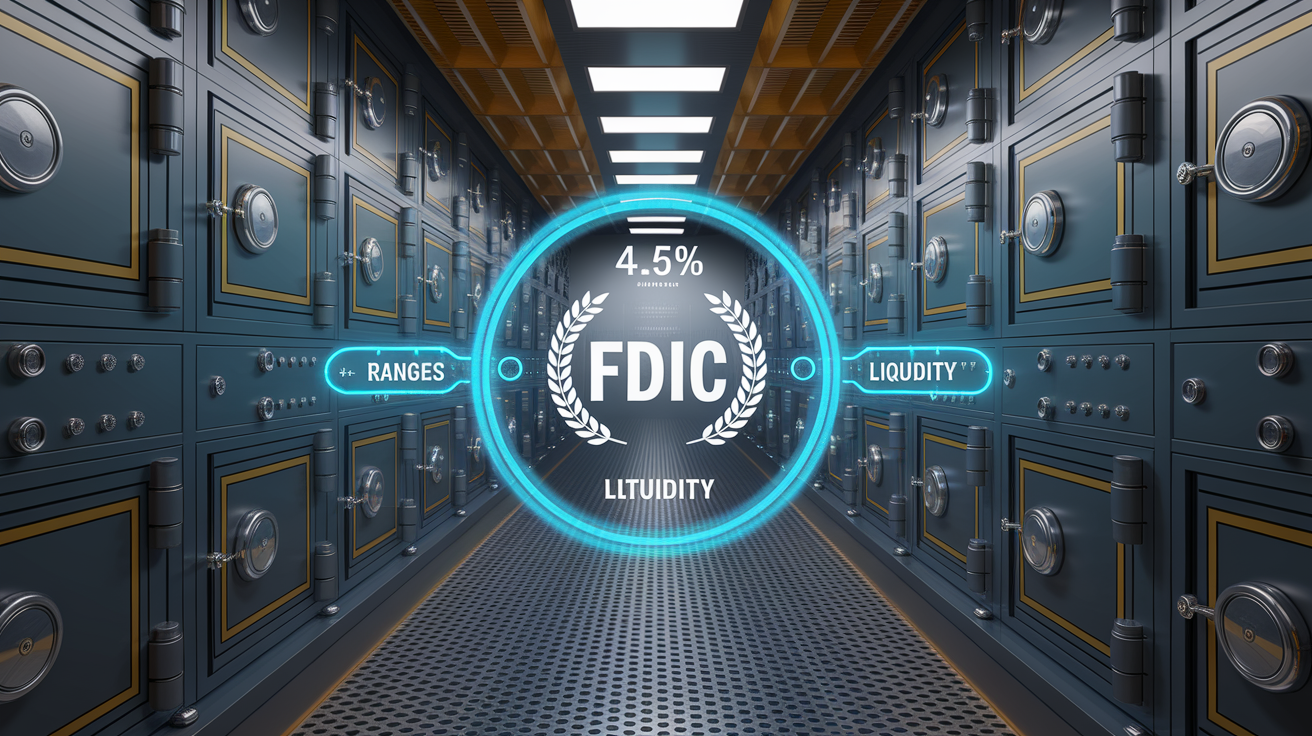
Your emergency fund needs three things: safety, liquidity, modest growth. It should never lose value, you should be able to access it within 24 to 48 hours, and it should earn enough interest to keep pace with inflation without requiring you to watch markets or take risk.
A high‑yield savings account or money market account meets all three requirements. Both are FDIC‑insured up to $250,000, meaning your money is protected even if the bank fails. Both allow penalty‑free withdrawals at any time, typically via electronic transfer that arrives in your checking account within one business day. And both earn significantly more interest than a standard savings account, with rates currently ranging from 4.00 to 5.00 percent APY depending on the institution. That difference matters. On a $10,000 fund, a 4.50 percent rate earns $450 per year, while a 0.05 percent standard savings account earns $5.
| Account Type | Access Speed | Typical APY |
|---|---|---|
| High‑Yield Savings Account | 1–2 business days | 4.00%–5.00% |
| Money Market Account | 1–2 business days | 4.25%–5.25% |
| Standard Savings Account | Same day to 1 business day | 0.01%–0.10% |
Open your account online in under five minutes with most banks and credit unions. Look for zero monthly fees, no minimum balance requirements, easy linking to your primary checking account. Once it’s open, treat it as separate infrastructure. Don’t link it to your debit card, don’t use it for routine transfers, don’t check the balance daily. You’re building a financial firewall, not a slush fund.
Maintaining Your Fund and Preventing Backsliding

Building the fund fast is step one. Keeping it intact and growing is step two, and that needs simple systems that remove decision fatigue and spending temptation.
Automate your monthly contribution the same day you get paid. Treat the transfer like a bill that can’t be skipped. If your income is irregular, set a minimum floor amount that moves into the fund every payday, and add extra whenever a high‑income month or bonus arrives. Once the fund reaches your 3‑month target, keep the automation running and redirect future contributions to your next financial goal: debt payoff, a house down payment, retirement catch‑up.
If you need to withdraw from the fund, replace the amount within 60 days using the same aggressive cut‑and‑earn tactics you used to build it initially. Don’t let one emergency drain the fund permanently. The moment the crisis passes, restart contributions at an accelerated rate until you’re back to full coverage.
-
Set up automatic transfers on payday so contributions happen before you see the money and before spending decisions are made.
-
Perform a monthly spending audit to catch subscription creep, lifestyle inflation, new expenses that should be cut or reduced.
-
Rebuild immediately after any withdrawal by temporarily increasing your savings rate or adding a short‑term income boost until the fund is whole again.
-
Review your target annually to adjust for changes in rent, insurance premiums, transportation costs, household size, and top up the fund if your monthly baseline expenses have increased.
Final Words
In the action: you now know how to calculate your three-month target, cut spending fast, earn extra cash, and stash one-time proceeds into a safe account.
Set a 24-hour quick-start plan, automate transfers, and pick one high-impact expense to trim this week. Those steps move the needle.
If you follow the checklist, calculate fixed vs flexible costs, free up cash, and use day-one income ideas, you’ll see progress. This is a simple, repeatable path for how to build a 3 month emergency fund fast, and you’ll sleep better for it.
FAQ
Q: What’s a good 3 month emergency fund?
A: A good 3-month emergency fund covers three months of essential expenses—rent, food, utilities, insurance, and minimum debt payments. Calculate fixed plus necessary variable costs, then multiply the monthly total by three.
Q: How to save $1000 in 30 days?
A: To save $1,000 in 30 days, set a daily target (~$33), cut discretionary spending, sell unused items, pick short-term gigs, and auto-transfer proceeds into a separate savings account.
Q: What is the 3 6 9 rule for emergency fund?
A: The 3-6-9 rule for emergency funds recommends three months for stable income, six months for typical risk or single-income households, and nine months for high volatility, self-employment, or higher expenses.
Q: How many Americans can’t afford a $1000 emergency?
A: Estimates vary, but surveys typically find about 25–40 percent of Americans couldn’t cover a $1,000 emergency without borrowing, selling items, or using a credit card; check recent national surveys for current figures.