


Moving into a new apartment can unsettle children, especially when their bedrooms are smaller and their routine has changed. A dedicated study corner helps them focus on homework, reading, and online lessons. The good news is that a small space can work well when it is planned around light, quiet, and storage, and when the child has a say in how it looks.
Picking a calm location
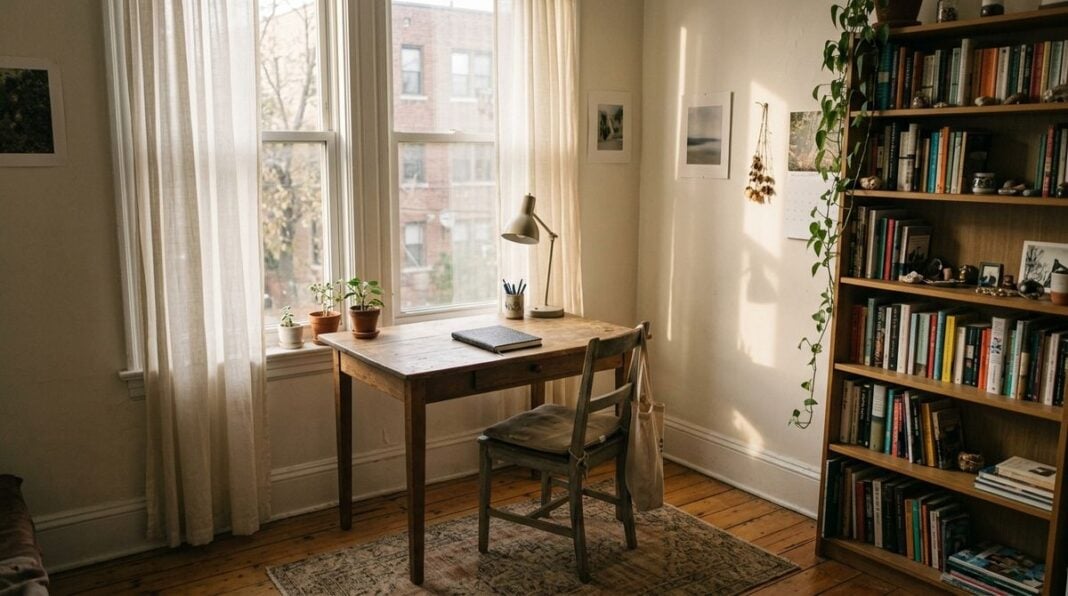
Look for a spot away from the television, the kitchen traffic, and the front door. A corner of a bedroom or a shared table near a window can work well if it stays quiet during study time. Children often concentrate better when they can see the room around them and feel comfortable, so avoid placing the desk with its back to a busy doorway.
Test the spot at the time homework usually happens. Notice the noise from neighbors, traffic, or the building’s common areas. Readers may also want to visit casetify.
Choosing furniture that grows with the child
A simple desk with a comfortable chair is usually enough. Choose a chair height the child can adjust, and make sure feet rest flat on the floor. In a small apartment, a desk with a shelf above or a narrow drawer unit saves room without making the space feel crowded or cramped.
- A desk with enough room for a book and a notebook.
- A chair with a stable base and adjustable height.
- A small lamp with soft light that avoids glare on the page.
- A box or basket for pencils, paper, and art materials.
Let the child help choose the color of the lamp or the box. Ownership makes the space feel like theirs, which often encourages regular use. Many families find that a corner the child helped design is used far more than one set up without any input.
Storage and organization
Clutter makes studying harder. Use labeled bins for books, folders for worksheets, and a wall hook for school bags. Keep one shelf for current projects and move older items to a closet. A weekly reset of the space, taking only a few minutes, keeps things manageable and gives the child a sense of routine. You can also visit Edmentum for more reading.
Consider a cork board or a small whiteboard for reminders, but keep it tidy. A simple list of tasks works better than a crowded wall of notes that competes for attention. Remove reminders once they have been completed, so the board stays useful.
Supporting focus without pressure
Set a regular study time, but allow short breaks. Young children may need movement every half hour, and older students may benefit from a quick walk before a difficult task. For a related read on this site, see A Midday Pause for Desk Workers Who Forget.
If your child struggles with reading or math, speak with the teacher about the best next step. Do not assume the new home is the only cause, since children adjust at different speeds and some difficulties exist regardless of where the family lives. A qualified professional can offer support tailored to your child’s needs and age.
Keeping the study corner working
Check the lighting and temperature once a week. Dim rooms make eyes tired, while very hot or cold rooms make concentration harder. Ask the child what feels helpful and what does not, and make small changes together, such as moving the lamp or adding a cushion to the chair.
Natural light is helpful during the day, but evening study needs a good lamp. Choose a bulb that gives steady light without flicker, and place it so the child’s writing hand is not in shadow. If the apartment is noisy, a rug, curtains, or a soft cushion can soften sound. Some children work well with gentle background music, while others need complete quiet. Watch what works for your child, and be ready to adjust the setup as the school year goes on. Ask your child to describe what feels comfortable about the space, and keep a short list of changes that would help them concentrate better.
Plan the corner so that a parent can sit nearby for support without distracting the child. A chair beside the desk or a shared table close by can make it easy to check progress and offer help when it is needed.
A study corner in a small apartment does not need to be large or expensive. Choose a calm spot, pick furniture that fits, keep storage simple, and support focus without pressure. When the space feels welcoming, children are more likely to settle into learning in their new home and to look forward to working there.