


Regular movement supports general wellbeing, yet finding time and space for exercise can feel difficult. A small home exercise corner can make activity more convenient and inviting. It does not need expensive equipment. A clear floor, a mat, and a few simple tools are often enough to build a routine that suits your ability and your schedule. This article provides general information only and is not a substitute for personal medical advice.
Choosing the right space
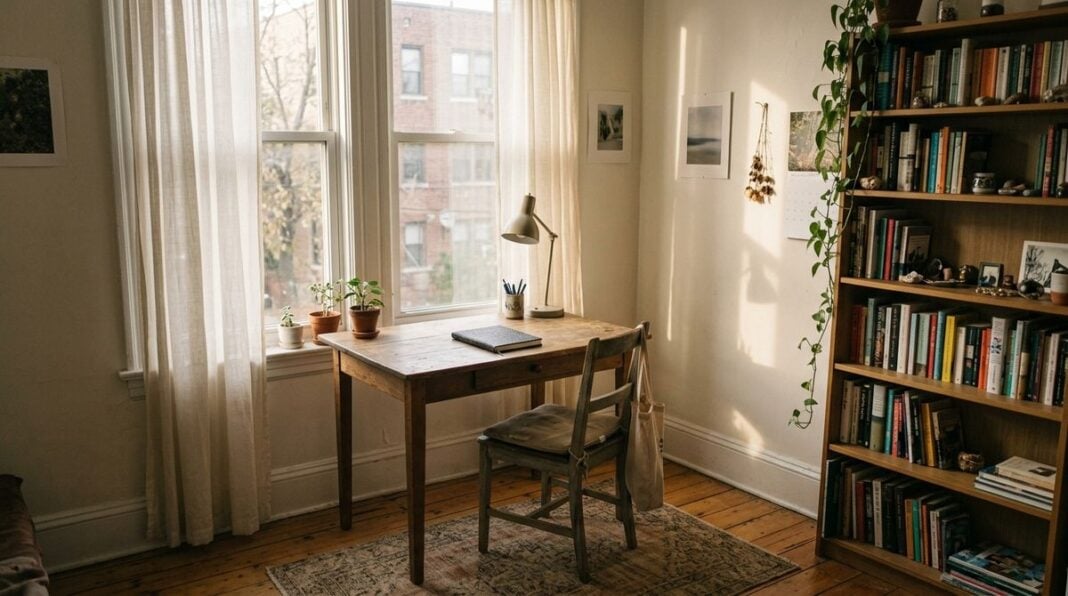
Look for an area that is free from clutter and has enough room to lie down and stretch your arms. A corner of a living room, a spare patch beside a window, or a section of a bedroom can work well. Good light and fresh air help you feel more motivated. Keep the space near a water bottle and a towel, so you can stay comfortable. Make sure the floor is stable and that nothing sharp or heavy sits within reach.
Choosing equipment with care
You do not need much to begin. A non-slip mat provides cushioning and grip, and a light resistance band can add variety. Small hand weights or household items such as water bottles can also serve as simple tools. Choose equipment that suits your current strength and comfort. If you are unsure about the right items, ask a qualified exercise professional for guidance, especially if you have joint concerns or a long-term condition.
Starting with gentle, balanced movements
Begin with a warm-up of marching on the spot, gentle arm circles, and slow neck movements. Follow with simple exercises that work different parts of the body, such as sitting to standing from a chair, wall push-ups, and gentle bridges. Move slowly and focus on control rather than speed. Stop if you feel sharp pain, dizziness, or unusual breathlessness, and seek medical advice before continuing.
Building a routine you can keep
Consistency matters more than intensity. Short sessions of ten to fifteen minutes, done most days, can be more sustainable than occasional long workouts. Choose a time that fits your existing routine, such as after breakfast or during a television break. Keep a simple note of what you did, which can help you notice progress and feel encouraged. Rest days are also valuable, so allow your body time to recover.
A basic home routine could include a few simple movements:
- Stand and sit slowly from a sturdy chair several times
- Perform gentle wall push-ups while keeping your back straight
- Walk on the spot or around the room for a few minutes
- Finish with slow stretches for the legs, back, and shoulders
Adapt the movements to your comfort level, and build up gradually.
Home exercise works best when it feels achievable and enjoyable. Readers may also want to visit Top Best One. Keep your corner tidy and visible, because a space that is ready for you invites action. You can also visit bTrendie for more reading. Start small, listen to your body, and let consistency do the work over time.
Staying safe and comfortable
Wear comfortable clothes and supportive footwear, and keep the floor free of loose rugs that could slip. Breathe steadily throughout each movement rather than holding your breath. Drink water before and after exercise, and rest whenever you feel tired. If you have heart, lung, joint, or balance concerns, check with a qualified health professional before starting a new programme. The helpful online resources from public health organisations offer general activity guidelines suitable for many adults.