

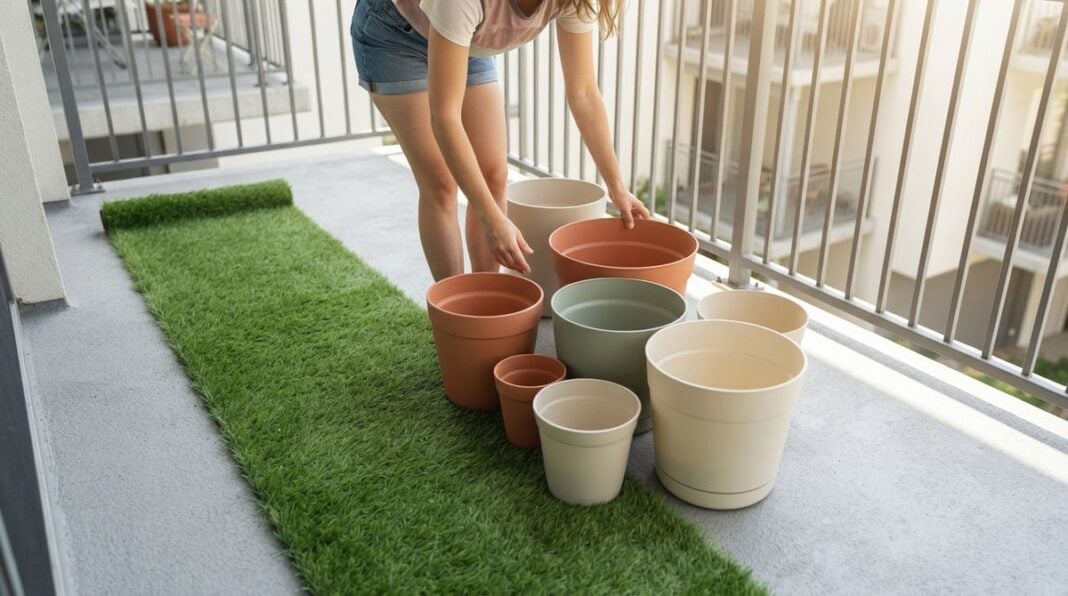

A balcony may seem too small to attract wildlife, yet many city dwellers find that a few well-chosen feeders bring a steady stream of visitors. Small birds such as sparrows, tits and finches often appear within days, and their daily routines can become a calming part of the morning. Feeding birds on a balcony takes little space and only a few minutes of attention. This article explains how to start a simple feeding habit, how to keep it safe for the birds and how to enjoy it for the long term.
Choosing a Feeder That Fits the Space
Look for a feeder that hangs securely from a bracket or a rail, since a tall stand may be awkward on a narrow balcony. A tube feeder with small perches suits seed-eating birds, while a flat tray can hold mixed food for a variety of visitors. Choose a design that is easy to empty and clean. Plastic and metal are both practical, provided the surface can be scrubbed without damage.
Position the feeder where you can watch it comfortably from inside the home. A spot near a window gives you a clear view, but make sure birds cannot fly directly into the glass. A small screen or a few sticky markers on the pane can reduce collisions.
Selecting Food and Avoiding Common Mistakes
Good food choices make a large difference. Black sunflower seeds, unsalted peanuts in suitable feeders and mixed seed blends are popular with many garden birds. Avoid bread, salted snacks, cooked rice and sugary treats, since these can be unhealthy for birds. Fresh water is equally important. A shallow dish that is refilled regularly gives birds a clean place to drink and bathe.
Hygiene matters on a balcony, where food and droppings can build up quickly. Clean the feeder and water dish every week or two using warm water and a mild scrub, then leave them to dry fully before refilling. Remove old, damp food promptly, because mould can harm birds.
- Use black sunflower seeds in a tube feeder.
- Offer unsalted, chopped peanuts in a suitable container.
- Provide fresh water in a shallow, easy-to-clean dish.
- Clear away uneaten food before it turns damp or stale.
Building a Regular Routine
Birds quickly learn when and where food appears, so consistency is important. Fill the feeder at roughly the same time each day, perhaps with your morning drink. Many people find that a simple routine turns feeding into a pleasant ritual rather than a chore. If you travel often, ask a neighbour to top up the feeder while you are away, and show them how to keep the area tidy.
Keep a small notebook by the window and note the birds you see. Over time, you may notice seasonal changes, with more visitors in winter and different species passing through in spring. The notebook becomes a personal record of the balcony’s wildlife.
Staying Considerate to Neighbours and Wildlife
Balcony feeding should be considerate. Do not place food where it could drip onto neighbours’ balconies or pavements, and avoid creating large piles that attract rats or pests. Keep the area clean, and check local rules on balcony use if you live in a rented home or shared building. If a bird looks sick, with fluffed feathers, watery eyes or unusual stillness, contact a local wildlife rescue group for advice.
Cats can be a concern on balconies. Place feeders out of reach of pets, and keep your own animals indoors where possible. Birds are more relaxed when they feel safe, and a quiet balcony with clear sightlines often works better than a crowded one.
Water also needs attention in colder months, when bird baths may freeze. A dish that is topped up with fresh water each morning is often more useful than a large amount left to stand all day. Keep the dish clean, and avoid adding anything to it other than plain water. Many visitors will come to drink, bathe and look around, so a calm and tidy setup benefits the whole balcony.
Readers may also want to visit Acra-Online. You can also visit AnswerPrime for more reading.
Enjoying the Benefits Without Pressure
Feeding birds can bring a gentle sense of calm to a busy day. Watching a blue tit hang upside down from a feeder, or hearing a robin sing from a nearby roof, can be surprisingly restorative. Keep the habit enjoyable rather than demanding. If a week passes with busy days and no feeding, that is perfectly fine, and the birds will return once the feeder is refilled.