

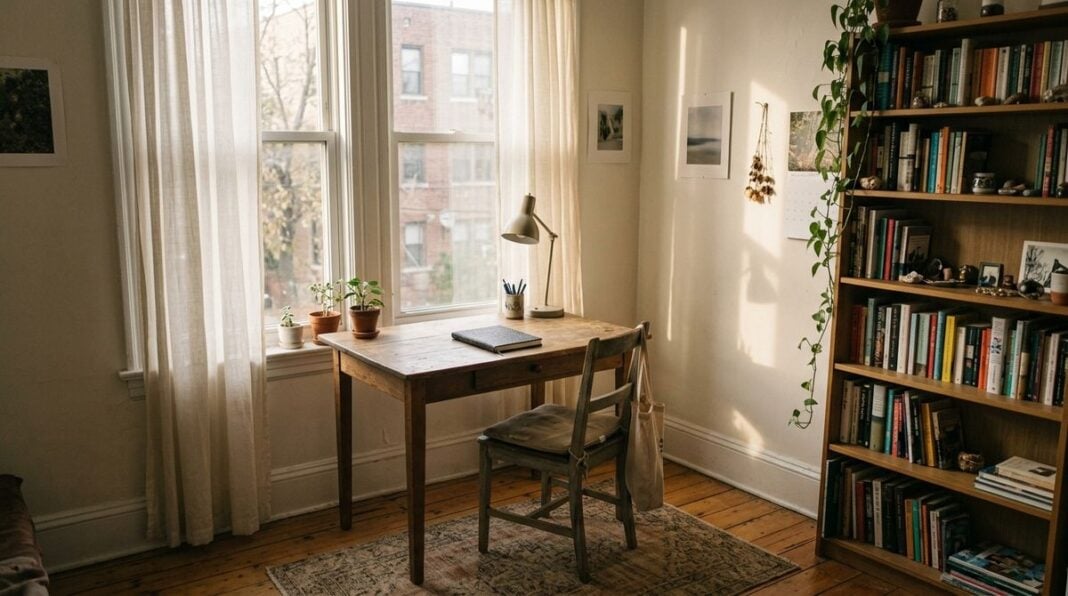

Not every home has a spare bedroom for homework. Many families live in small apartments where the kitchen table doubles as a dining area, a craft space and a study desk. A child can still learn well in a small home, provided the study corner is calm, organized and comfortable. This article explains how to create a focused study space with limited room, and how to adjust it as a child grows and their needs change.
Choose the right spot
Look for a place away from the television, the front door and the busiest part of the home. A corner by a window often offers natural light, which helps concentration, but avoid positions where glare falls directly on the page or screen. If there is no truly quiet spot, use a room divider, a bookcase or a curtain to create a visual boundary. The goal is not perfect silence, which is rare in a shared home, but a space where the child can shift into work mode without constant interruption.
Keep the desk simple
A small desk does not need to be large. What matters most is a flat, stable surface at a comfortable height, with enough room for an open book and a notebook. Choose a chair that supports the child’s back and allows their feet to rest on the floor, or on a small footrest if needed. Remove anything that is not needed for study, such as games, mail or cooking utensils. A clear surface makes it easier for a child to start a task and easier to finish it without distraction.
Readers may also want to visit k10world.com. Those ideas can be useful for renters who cannot make permanent changes to the home.
Store supplies within reach
A well-organized study corner keeps supplies close at hand. Use a small caddy or tray for pencils, pens, rulers and erasers, and a wall-mounted shelf or a clear box for books and folders. Label containers in simple words, or use pictures for younger children, so they can find things independently. Keep a basket for finished work and a separate place for work in progress. When everything has a home, the child spends less time searching and more time learning.
Manage light, noise and temperature
Good lighting makes a significant difference to comfort and focus. A desk lamp with a warm, steady light is better than a harsh overhead bulb that creates shadows. If the apartment is noisy, a pair of child-sized headphones or a gentle background sound may help, though some children work best in complete quiet. Keep the space at a comfortable temperature, and provide a light layer nearby in case the room gets cold in the evening. Small adjustments often improve concentration more than people expect.
Create rules that the whole household understands
A study corner works only if everyone respects it. Agree on a few simple house rules, such as keeping the desk clear during study time, lowering voices nearby and avoiding sudden interruptions unless there is an emergency. Explain the reasons for these rules to the child and to any other people who share the home. Consistency matters, so try to keep the routine steady from day to day, even on busy evenings.
A starter checklist for setting it up
Before you begin, work through a short list of practical steps:
1. Measure the space and decide where the desk and chair will fit.
2. Clear the area and remove items that do not belong to study.
3. Set up a lamp, storage container and simple organizer for supplies.
4. Agree on study times and house rules with the child and household members.
5. Review the setup every few weeks and adjust it as the child’s needs change.
You can also visit 3aam.com for more reading. Ask the child for feedback too, because they often know which setup helps them feel most comfortable.
For a related read on this site, see Preparing a Child for Exams While Managing a. Try one change at a time, and ask the child which arrangement helps them concentrate best. Their answer is often more useful than any general advice. Write the agreed setup on a card and review it together once a month, because small changes the child has chosen themselves are often the ones they keep using.
A small study corner can be one of the most useful features of a compact home. It signals that learning matters, and it gives the child a reliable place to focus. Keep the space tidy, protect the routine and be willing to change things when they stop working. With a little planning, even a small apartment can support steady and enjoyable study for many years.