


As children grow into young adults, their routines expand to include academic presentations, community volunteering, and first job interviews. During this transition, casual clothing that worked for relaxed weekends often feels out of place. Many families find that mornings become a source of subtle friction when a teenager struggles to find something suitable to wear for a formal school event or interview. Wardrobe planning does not have to be expensive or overwhelming, but it does require thoughtful communication and shared family effort.
Helping teenagers establish a functional wardrobe is an educational opportunity that extends far beyond fashion. It teaches young people how to assess their needs, respect dress guidelines, care for personal belongings, and express individuality within practical boundaries. When parents approach clothing discussions with patience and curiosity rather than rigid demands, teenagers learn to make confident choices that serve them well in the classroom, the workplace, and the wider community.
Separating Fleeting Trends From Everyday Staples
Young people are constantly exposed to fast-changing styles through digital media and peer groups. It is completely natural for adolescents to explore new aesthetics, but chasing every short-lived style can quickly exhaust a household budget and leave closets full of unworn items. Rather than dismissing their curiosity, parents can explore design ideas together. Reviewing general style outlets like celebritycurry.com provides a great opportunity to talk about how dramatic runway pieces or online design concepts can be translated into modest, comfortable everyday school wear.
These conversations help young adults develop critical observation skills. When reviewing popular designs together, ask open questions about garment construction, comfort, and versatility. Inquire whether a particular item pairs well with clothing they already own, or if it requires purchasing additional accessories to look balanced. By encouraging teenagers to analyze why a look appeals to them, families can identify underlying preferences, such as a favorite color palette or relaxed silhouette, without spending money on items that will feel dated within weeks.
Selecting Versatile Foundations That Mix and Match
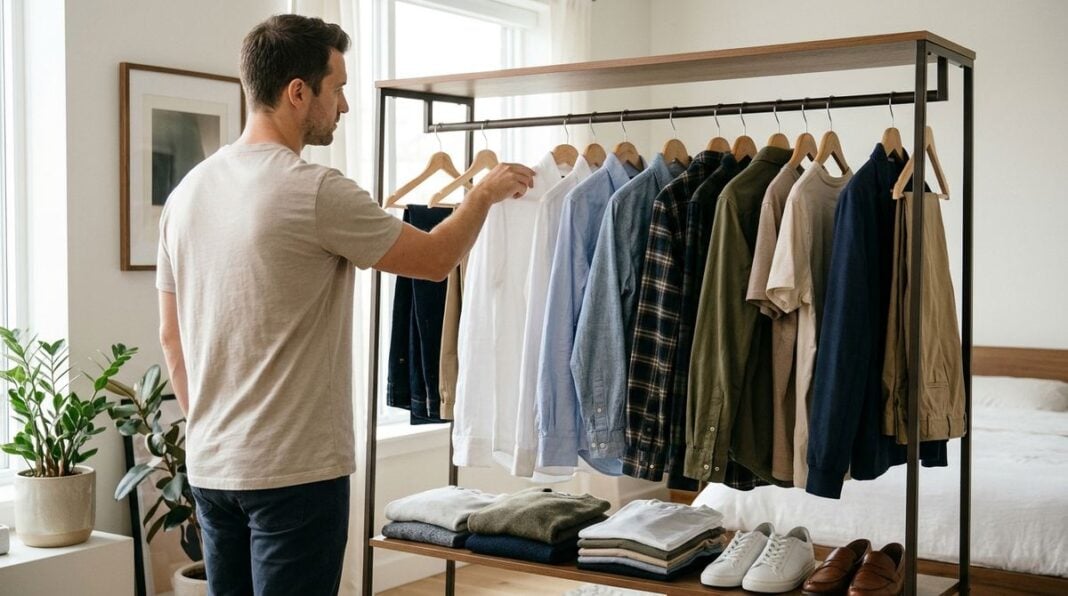
The most reliable foundation for any student or young job seeker is a collection of interchangeable basics. A functional wardrobe does not require an abundance of garments; instead, it relies on a handful of well-chosen staples that work in multiple settings. Sturdy dark-wash denim, flat-front chinos, breathable button-front shirts, plain knit tops, and a structured jacket can form dozens of appropriate outfits. Choosing neutral tones like navy, gray, white, olive, and black allows different pieces to harmonize effortlessly, making morning preparation much smoother.
When shopping for foundation pieces, encourage young adults to prioritize durability and fit over brand labels. Teach them how to check seams, test fabric stretch, and read care instructions on garment tags to avoid specialized cleaning requirements. Learning how to identify solid craftsmanship gives teenagers practical consumer knowledge that protects their finances. When core items fit properly and feel comfortable, students carry themselves with greater poise during classroom speeches, student council debates, and internship interviews.
Encouraging Grooming and Authentic Self-Expression
Clothing is only one part of presenting oneself with confidence; daily grooming habits play an equally significant role. Helping teenagers build dependable routines around skin hygiene, hair care, and garment tidiness reinforces a sense of personal pride and respect for others. Good grooming does not mean conforming to rigid ideals or adopting complex routines. Instead, it centers on consistent cleanliness, neat hair, trimmed nails, and fresh clothing, which collectively signal readiness and attentiveness in any professional environment.
Families can support this process by creating an open atmosphere where questions about personal presentation are discussed comfortably. Exploring grooming ideas and modern aesthetic trends through style resources such as luvlybeauty.com can give teenagers healthy inspiration for styling their hair, caring for their skin, and refining their appearance. When teenagers feel supported in their grooming exploration, they are less likely to experience insecurity and more likely to develop self-care habits that foster genuine self-assurance.
Planning Shopping Trips Around Hectic Family Schedules
Finding time to evaluate clothing and visit stores can be difficult for busy families managing work shifts, household chores, and caregiving duties. When your calendar is already stretched across multiple responsibilities, much like managing a doctor visit with an older parent, carving out a calm, dedicated block of time for wardrobe planning requires deliberate intention. Rushing into a crowded shopping center after an exhausting day frequently leads to impulsive purchases, frayed tempers, and regret.
To make the most of limited time, begin at home by conducting a collaborative closet audit before visiting any shop or opening an online store. Have your teenager try on existing semi-formal clothes to check sleeve lengths, waistbands, and shoe sizes. Create a brief, written checklist of genuine gaps, such as a pair of dress shoes or a clean collared shirt. Having an agreed-upon plan prevents disagreements and ensures that family resources are spent only on garments that address true everyday needs.
Practical Steps to Maintain an Organized Wardrobe
An effective wardrobe is easy to navigate, clean, and maintain. When clothing is disorganized or piled on bedroom furniture, teenagers often assume they have nothing to wear simply because their appropriate garments are wrinkled or hidden from view. Setting up simple organizational systems empowers students to take ownership of their personal space and keep their school and interview clothing ready at a moment’s notice. A few straightforward routines can keep closets tidy and stress levels low:
- Sort through drawers and hangers twice each year to donate items that have been outgrown.
- Keep semi-formal garments and presentation outfits hung together on sturdy hangers to prevent wrinkles.
- Set up a small repair basket in the laundry area for missing buttons or loose hems.
- Encourage selecting and laying out the complete outfit the evening before a busy school day.
These routine habits eliminate chaotic searches before morning departures and help garments last significantly longer. Teaching young people basic mending skills, such as sewing on a loose button or pressing a collar with an iron, provides them with self-reliance. Over time, teenagers begin to view their wardrobe not as a collection of disposable goods, but as functional tools that support their academic and personal ambitions.
Fostering Lifelong Confidence and Responsibility
Involving teenagers in laundering, pressing, and organizing their clothing bridges the gap between childhood dependence and adult competence. When a student knows how to wash delicate fabrics, remove an ink stain, and pair complementary colors, they gain a tangible sense of mastery over their daily life. These practical home skills reduce domestic strain for parents while equipping young adults with habits that will serve them in college dormitories, shared apartments, and future careers.
Building a practical wardrobe is ultimately a collaborative learning experience centered on trust, communication, and mutual respect. By guiding young people toward versatile garments, dependable grooming practices, and mindful shopping habits, families help them navigate social and educational spaces with ease. With a well-organized closet and a clear understanding of personal presentation, teenagers can step forward into interviews, presentations, and community gatherings feeling prepared, capable, and confident.