

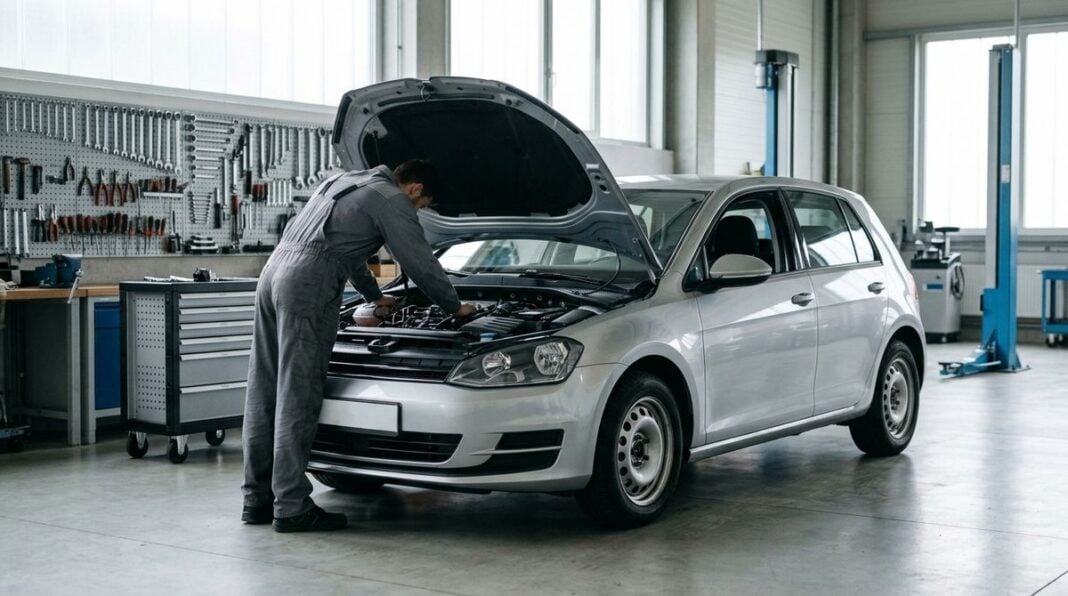

Learning how to steer, signal, and park safely marks an exciting milestone for young people, but driving on the open road represents only one part of automotive independence. Knowing what happens beneath the hood and around the exterior transforms a teenager from an anxious vehicle operator into a capable, observant caretaker. When parents and mentors introduce basic vehicle upkeep early, teens gain practical self-reliance, respect for family property, and an understanding of shared community road safety.
Many adolescents feel hesitant when first faced with automotive machinery. Modern vehicles often seem complicated, surrounded by plastic covers, sensor wiring, and digital screens. However, demystifying these systems does not require advanced mechanical training. By breaking down routine car care into clear, manageable steps, families can create engaging weekend learning sessions right in the driveway.
Approaching vehicle care as a family project creates space for patience, low-pressure questions, and hands-on practice. Rather than waiting for a roadside emergency or warning light to appear, teaching teenagers proactive maintenance habits establishes lifelong confidence and mindful driving routines.
Starting With the Owner Manual and Basic Orientation
Every effective lesson begins with understanding where to find accurate information. Before loosening any cap or tightening any fastener, encourage your teenager to retrieve the vehicle owner manual from the glove compartment. This book serves as the definitive reference guide for every specific model, outlining exact fluid capacities, maintenance schedules, fuse box locations, and dashboard indicator meanings.
Walk your teen through the main sections of the manual, paying close attention to the visual diagrams of the engine bay. Have them identify the hood latch inside the cabin and locate the secondary safety release lever beneath the hood edge. Showing them how to securely prop open the hood builds physical familiarity and reinforces basic garage safety from the very first lesson.
Understanding how interior controls coordinate with exterior parts helps teens appreciate how mechanical components interact as an integrated system. Educational hubs like learn2drive4free.com offer helpful explanations of vehicle anatomy, exterior styling, and mechanical systems that can deepen a young learner’s curiosity before they tackle physical tasks under the hood.
Inspecting Essential Fluids and Engine Filters
Once your teen feels comfortable standing over the engine bay, shift focus to regular fluid inspections. Start with the engine oil dipstick, which provides an ideal visual exercise. Guide them through pulling the dipstick out, wiping it clean with a lint-free cloth, reinserting it fully, and drawing it out once more to observe the level and coloration. Explain that clean motor oil appears amber or honey-colored, while very dark or gritty oil signals the need for fresh lubrication.
Next, locate the windshield washer reservoir and the translucent coolant recovery tank. Emphasize an essential safety rule that must never be broken: never open a radiator pressure cap when the engine is warm or running. Showing teenagers how to inspect coolant levels through the side of the transparent plastic overflow tank protects them while teaching careful observation.
This hands-on inspection pairs naturally with broader conversations about vehicle technology. While physical fluid checks remain indispensable, modern dashboards also rely on sensors to alert drivers, as explored in our guide on evaluating modern vehicle features, reinforcing that physical checks and electronic monitors work best as partners.
Conclude the under-hood walk-through by examining the engine air filter housing. Opening the filter clips allows teens to pull out the pleated paper element and inspect it against daylight. Point out how trapped dust, leaves, and road grit accumulate over time, illustrating why clean airflow matters for smooth engine performance.
Building a Safe Routine for Tire Care and Pressure Checks
Tires are the single physical connection between a vehicle and the road surface, making tire inspection one of the most critical habits a young driver can develop. Because improper inflation affects handling, stopping distance, and tread life, teaching teens how to measure pressure accurately should be a recurring monthly routine.
Show your teenager where to find the official vehicle placard, which is typically pasted on the driver-side door jamb. Point out that this sticker lists the exact recommended cold pressure specifications determined by the automotive manufacturer, whereas the number stamped on the tire sidewall merely denotes maximum structural tolerance.
Keep a clear step-by-step procedure in mind when practicing pressure and tread checks together:
- Check tire pressure when tires are cool to the touch.
- Verify the recommended inflation level on the door jamb sticker.
- Inspect the tread depth across the center and outer edges.
- Confirm the valve stems have secure protective caps in place.
In addition to using a pressure gauge, teach your teenager to inspect tread depth using a common coin inserted into the grooves. Encourage them to scan the outer sidewalls for small cracks, embedded pebbles, or unusual bulging that might indicate internal cord damage after brushing against a curb.
Assembling a Dedicated Vehicle Care and Emergency Kit
A practical car care education should also teach young drivers how to prepare for unexpected circumstances on the road. Setting up a dedicated storage container for cleaning materials, basic tools, and emergency supplies helps teens take personal pride in vehicle readiness.
Together with your teen, gather essential items such as work gloves, a compact flashlight with fresh batteries, a digital pressure gauge, clean microfiber towels, and an extra bottle of windshield washer fluid. Working through this checklist helps them understand why proper equipment matters and removes any anxiety about handling basic road needs independently.
Finding quality supplies, replacement items, and practical accessories is simpler when families explore trusted resources such as Cartoolexpress, which offers helpful automotive advice, maintenance accessories, and reliable gear suited for regular vehicle upkeep.
Place the completed kit securely in the trunk or rear cargo area. Show your teenager how to anchor the supplies so they do not slide around during sudden stops or turns, underscoring that neat organization contributes directly to driver focus and passenger safety.
Establishing a Consistent Schedule and Lifelong Confidence
Developing competence requires repetition over time rather than a single marathon afternoon. Designate a predictable weekend morning once every month to complete a walk-around inspection together. Checking lighting, cleaning the glass inside and out, and inspecting wiper rubber keeps maintenance manageable and prevents minor issues from compounding.
Celebrate your teen’s progress as they gradually complete these routines with less parental guidance. When young drivers realize they can identify engine parts, adjust tire pressures, and recognize early signs of wear, their relationship with the vehicle changes. They shift from passive passengers into responsible stewards of shared family resources.
Equipping teenagers with hands-on mechanical understanding delivers benefits that extend far beyond the driveway. By nurturing curiosity, patience, and routine attention to detail, families help new drivers develop careful decision-making habits that support lifelong personal safety and contribute positively to the entire community on the road.