

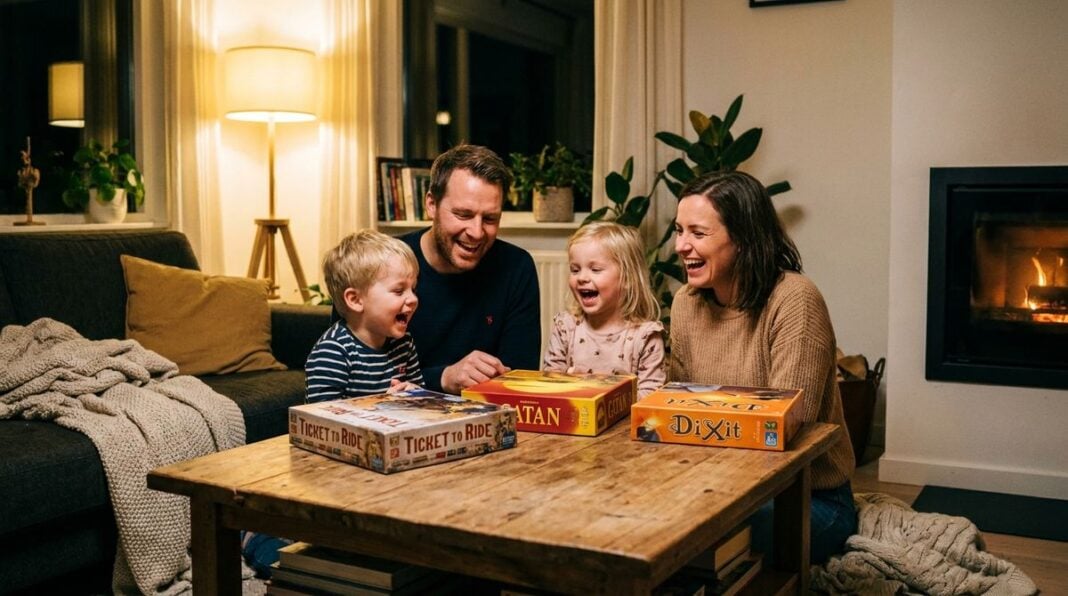

A family game night is a simple way to share time, laugh together, and practise skills such as turn-taking and counting. For households where one or more adults work nights, weekends, or changing rotas, finding one fixed evening can be almost impossible. This article offers practical ways to make game time reliable without forcing everyone into a rigid schedule. The ideas are general, and they work best when families talk openly about what each person can manage on a given week.
Shift the idea of a single game night
Instead of one big evening that rarely happens, try several short sessions across the week. Fifteen minutes of a card game over breakfast, a quick word puzzle at lunchtime, or a board game before bedtime all count. Short sessions are easier to fit around sleep and shifts, and they make family time feel frequent rather than rare. Expect some sessions to be cancelled, and treat the missed ones as flexible rather than failed.
Name the sessions so everyone can see them. Simple labels such as quick round on Tuesday or long game on Sunday help children anticipate what is coming. A visible plan also helps a tired adult decide quickly whether they have the energy to join in.
Choose games that match real energy levels
On heavy shift days, complicated rules and long setup times can be a barrier. Choose games with short instructions, quick turns, and little cleanup. Simple matching games, counting games, and drawing games that need only paper and a pencil often work well. Travel-size word games are also easy to carry. Readers may also want to visit iloan24.com.
Keep one or two favourites in a bag near the door so they are ready at any hour. Consider age differences as well. A game that suits a seven-year-old may bore a teenager, and an adult may find it too easy. Rotating roles, such as letting an older child be the scorekeeper or the rule-reader, keeps everyone involved.
A rota-friendly game plan
A short list turns a vague wish for family time into a few clear options. Nobody has to plan from scratch on a tired evening. Try this simple structure:
1. Keep a shared list of three games that take less than half an hour each.
2. Mark on the calendar the days when most people are home and rested.
3. Decide on a backup option for days when a shift overruns.
4. Ask each person to choose one game per week, so everyone has a voice.
Review the list every month. Remove games that no one enjoys and add one new idea, which keeps the rotation fresh without making planning feel like a chore.
A game night should never leave a sleeping adult feeling guilty. If someone needs rest before a night shift, schedule the game for later in the day or invite them to join for a single round. Noisy games can be played in another room, or the household can agree on a quieter version using cards or pencil games. Respect the sleep window just as you would for any other important family rule.
Be open about this with children. A short explanation that a parent needs sleep before work usually helps, and children often enjoy being the one who keeps the game going quietly while a grown-up rests nearby.
Turn games into conversation and learning
Many games build useful skills without anyone calling them lessons. Counting games support early maths, word games build vocabulary, and memory games train attention. Use these benefits lightly. The aim is enjoyment, so avoid turning every round into a test. Praise effort and good sportsmanship as often as winning.
Ask questions during play that invite talk, such as what the child would do if they ran a shop. These prompts can lead to stories about school, friends, or the day ahead, and they help family members who see each other only briefly stay connected. You can also visit rapid-debt-consolidation.com for more reading.
Find ideas and support when you need them
Local family centres, libraries, and community groups often run game clubs that welcome children and parents. Ask staff what is available in your area, and check whether sessions run at times that suit your rota. If a child struggles with sharing, concentration, or losing, a teacher, school counsellor, or qualified family support worker can offer tailored suggestions. For a related read on this site, see Repairing Broken School Bags Instead of Buying New.
A rota will always change, and a family game night does not need to be perfect to be valuable. Keep the games short, the options ready, and the rules gentle. Over time, the small moments of play become shared memories that hold a busy household together, even when the calendar is full of different shifts.