

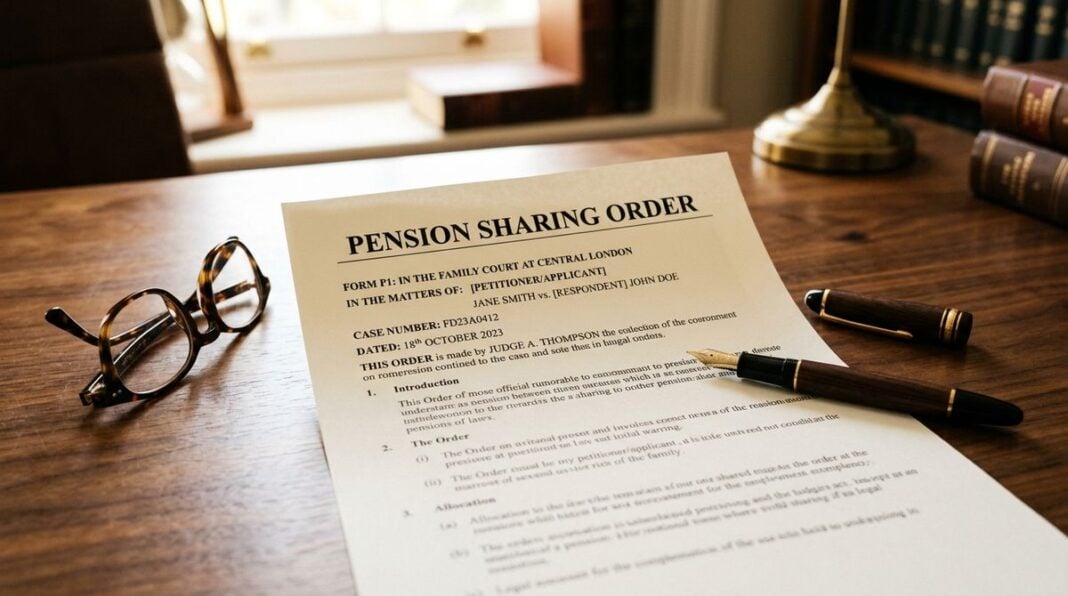

A parent hands over a lease, a school enrollment form and a permission slip at the same meeting, then realizes the only copy is in a crumpled folder. Paper trails matter for families, even when nothing goes wrong. Keeping useful copies organized is one of those tasks that feels optional until the moment someone needs a document.
Legal paperwork covers many everyday areas, such as housing, schooling, medical release forms and insurance. Students and teachers also handle documents tied to classes, grants and extracurricular programs. The errors below are common, easy to avoid and worth correcting before a deadline arrives. This article offers general information rather than legal advice. A calm review of the filing habits at home can prevent most of the trouble described here.
Storing Only the Signed Version
Many families keep only the final signed page and discard drafts, attachments or the terms that came with it. A signature page without the surrounding text can leave out the rules that matter later. Scan the complete document, including any appendices or addenda, and label the file with the date it was signed. Readers may also want to visit rawreplaymedia.com.
Paper originals still deserve a safe place, such as a fireproof box or a dry folder in a cabinet away from water. Keep a second copy in a separate location, such as a trusted cloud folder with a strong password. Make the copies a routine part of signing day rather than a task for later. Later often becomes never. A simple checklist taped inside the folder reminds the family what to copy each time.
Losing Track of Deadlines in the Document
Forms often include deadlines for returning payments, opting out or asking for changes, and those dates are easy to miss. A school consent form may need a reply within days of receipt. A lease might set a notice period for ending the arrangement. Mark every date on a shared calendar as soon as the paper arrives. You can also visit nghomedecor.com for more reading.
Add a reminder a week before each date so there is time to ask questions. Highlight the sentence that describes the deadline so anyone who opens the file can find it. Keep a short note of the person or office that received the form. These details make follow-up calls much faster and more polite. When a deadline is unclear, the safest move is to ask the sender for written clarification.
Sharing Originals With the Wrong People
Sending an original document to a school office, a landlord or a tutoring service can mean losing control of it. Ask whether a photocopy or a scan will be accepted before handing over the only copy. When an original must leave the home, record who received it and when. For a related read on this site, see Common Mistakes Students Make When They Trust Influencer.
Digital files need care too, especially when they are shared through email or messaging apps. Send only the pages that are needed, and remove personal numbers from a copy when the receiver does not need them. Check that the recipient address is correct before sending. A quick check prevents an accidental share that is hard to undo. A clear note in the file about what was shared and with whom saves confusion later.
Assuming a Verbal Promise Is Enough
A teacher or landlord may promise a change in conversation, but the written version is what counts later. Verbal agreements can be hard to prove when memories differ. Ask for the change in writing and keep the reply with the original document. Even a short email confirming the points discussed can save a lot of confusion.
Parents of students often hear about exceptions or waivers during meetings, and those details can vanish by the next term. Write down the date, the speaker and the exact words used as soon as the meeting ends. Then ask for confirmation in writing. The habit is simple, and it protects the family and the school alike. Keeping these notes with the related form makes them easy to find when a question comes up.
Ignoring Old Records That Can Be Discarded
Some families keep every paper forever, while others throw everything out without thinking. Both habits can cause trouble. Some records have a useful life only for a set period, and others should stay on hand longer. Sorting papers by type and purpose makes these choices clearer.
Create broad groups such as housing, schooling, health coverage and money, and review each group once a year. Note which items must be kept until a later event, such as the end of a tenancy or a graduation. Shred duplicate or outdated pages that hold sensitive details. An organized box is only useful if someone can find the paper they need. Labeling each box with its review date helps the next person know when to check it.
Keeping Records Simple for Busy Households
Good paperwork habits do not need a complicated system. Keep complete copies, watch deadlines, share originals with care and confirm promises in writing. Families and students who follow these steps are rarely caught without the document they need. Start with the file that matters most this week and build from there.