

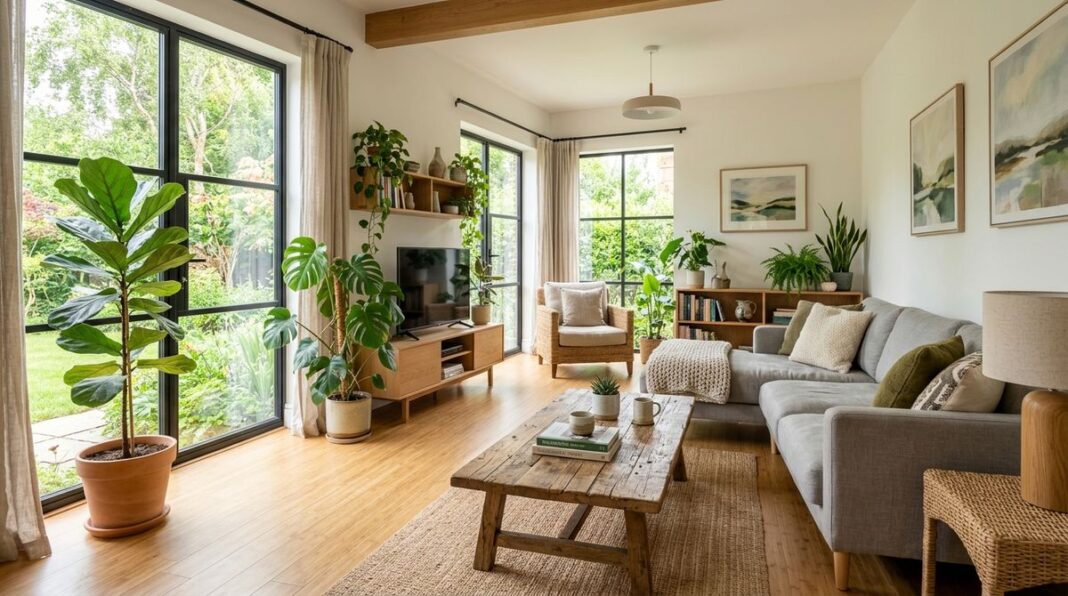

Creating a dedicated space in your home for family activities offers a wonderful way to foster connection, creativity, and shared learning. When you design this area with intention, you provide a focal point for daily routines that brings everyone together. Whether the space is for crafts, homework, reading, or simply quiet conversation, having a designated spot encourages family members to step away from distractions and engage with each other meaningfully.
Understanding Sustainable Family Living
Sustainable living is often viewed as a set of complex habits, but it truly begins with the choices you make within your own home. By focusing on durability, reducing waste, and choosing materials that are gentle on the environment, you teach children and adults alike that mindful consumption is a powerful tool for positive change. When you prioritize items that last, you create a home environment that is not only healthier but also more peaceful and less cluttered.
As you begin to think about how to make your home more energy-efficient and waste-conscious, you might find valuable insights and practical suggestions by exploring the resources at Greenrenters.org, which offers many tips on navigating sustainable living in a way that fits your unique household needs.
Designing for Purpose and Comfort
A successful activity hub balances functionality with aesthetic appeal. You want a space that feels inviting and reflects the personality of your family while serving its intended purpose. Consider the flow of the room, how natural light enters, and how you can arrange furniture to accommodate different activities without making the area feel cramped. Neutral tones often serve as a calming backdrop, while adding texture through rugs or soft fabrics can make the area feel warmer and more welcoming.
When you are looking for fresh ideas to blend function with beauty, you may appreciate looking at Groliehome for inspiration on how to arrange your furniture and decor to create a welcoming, functional environment that supports your family’s daily life.
Selecting Versatile Furniture
Choose pieces that can adapt to various needs. A sturdy, reclaimed wood table can serve as a workspace for crafts during the day and a spot for family games in the evening. Open shelving allows for easy access to supplies while keeping the floor clear. Using storage baskets made from natural materials keeps items organized and out of sight when they are not in use, which helps maintain a clean, tranquil atmosphere in the room.
Integrating Nature into Daily Routines
Bringing elements of nature into your activity hub helps to ground the space and creates a calming influence for all who use it. Indoor plants, natural wood textures, and even stones or shells collected on family walks can add character while strengthening the connection to the world outside. This connection helps everyone, particularly children, develop an appreciation for the natural environment.
Consider incorporating these elements to enhance the space:
- Displaying potted plants to improve air quality and add a vibrant touch.
- Using natural light whenever possible to minimize the need for artificial lighting.
- Setting up a small area for potting seeds or tending to indoor greenery.
- Using organic fabrics such as cotton or linen for cushions and throws.
Building a Shared Commitment to Sustainability
Establishing this hub is an excellent opportunity to involve every family member in the care and maintenance of the home. When everyone participates in keeping the space organized, it cultivates a sense of shared responsibility. This can be the starting point for larger conversations about why it is important to care for the things we own and how our individual actions influence the wider community.
We have discussed before how to plan a rewarding garden route excursion, and those principles can easily be applied to how you structure your own home space to feel connected to the outdoors and to encourage a deeper appreciation for nature and sustainable habits that the entire family can practice together.
By framing the maintenance of this shared space as a collaborative effort, you move away from the idea of chores and toward a culture of care. This approach turns a simple task into an educational moment, allowing children to see the direct connection between their actions and the comfort and beauty of their home environment.
Maintaining Your Eco-Friendly Family Space
Keeping your activity hub sustainable requires ongoing attention, but it does not need to be burdensome. Focus on simple, daily habits that prevent clutter and preserve the quality of your furnishings. Encourage family members to return items to their designated places after each use, which helps to maintain the calm and orderly environment that makes the space so enjoyable to use in the first place.
Finally, periodically re-evaluate the space to see if it still serves your family’s needs. As children grow and interests change, the way you use the hub might also shift. By staying flexible and mindful, you ensure that your activity hub remains a cherished part of your home life, providing a consistent place for growth, learning, and connection for many years to come.