

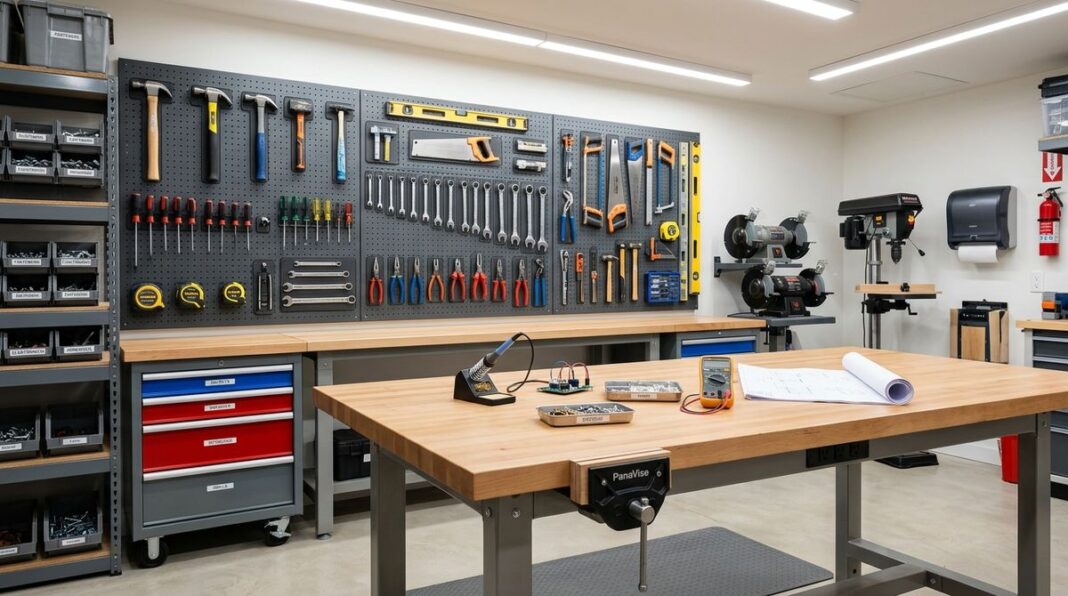

Creating a space in your home dedicated to creativity and hands-on learning can be a transformative experience for the entire family. Whether you are repurposing a corner of the basement, a section of the garage, or a spare room, a maker space provides a sanctuary where ideas come to life. This environment encourages children to develop problem-solving skills, patience, and a sense of pride in their accomplishments. When families work together on projects, they not only build physical items but also strengthen their connections, communication, and mutual respect. The goal is to establish an area that is both functional and inviting, allowing everyone to explore their interests without the pressure of needing a perfect final result.
Assessing Your Space for Creative Potential
Before you begin moving furniture or purchasing materials, take a moment to evaluate the space you have available. Think about how the area is currently used and what adjustments might be needed to make it conducive to messy, active projects. Good lighting is essential, so consider how you can bring in natural light or add task lighting where it is most needed. Ventilation is another critical factor, particularly if your family plans to work with paints, adhesives, or other materials that require fresh air.
Think about the flow of the room. A well-designed workspace should be easy to navigate, allowing multiple people to work simultaneously without bumping into each other or knocking over delicate materials. You may need to clear out stored items that are no longer in use to make room for a sturdy workspace. Consider the layout carefully to ensure that there is enough surface area for large projects, as well as separate spots for storing smaller, specialized tools. The focus should be on creating a versatile environment that can adapt as your family’s interests evolve and grow over time.
Designing a Durable Foundation for Busy Hands
The flooring in a family workshop must withstand a significant amount of wear, tear, and accidental spills. Standard household floors might not be suited for the heavy use, dropped tools, or liquid mishaps that are common during creative sessions. A durable, easy-to-clean surface is crucial for maintaining a workspace that stays functional rather than becoming a source of stress. You want a foundation that does not require constant maintenance or deep cleaning after every single session.
For those looking to create a professional-grade environment that remains comfortable and aesthetically pleasing, exploring options through Angelos Epoxy Flooring can provide a range of durable solutions that handle high-impact projects while being simple to wipe down. A solid, seamless floor prevents dust and small project debris from getting trapped in cracks or crevices, making the cleanup process faster and more thorough. This foundation gives younger builders a stable place to work, while ensuring that the overall appearance of your shared space remains polished and professional for years to come.
Prioritizing Healthy Air Quality in Your Workshop
As you plan your workspace, it is vital to keep air quality at the forefront of your decision-making. Projects involving painting, sanding, or building can generate dust, fumes, and particles that may linger in an enclosed environment. Protecting the well-being of every family member means ensuring that the air remains clean and breathable during even the longest sessions. Simple strategies, such as using fans, opening windows when the weather permits, and utilizing proper containment for dusty materials, can make a significant difference.
For more comprehensive solutions to maintain a healthy environment, you might consider the resources found at air-safecleaner.com. Their focus on improving indoor environments aligns perfectly with the needs of a busy home workshop. By addressing potential issues with air circulation and particle accumulation early on, you can ensure that your creative haven remains a place of inspiration rather than a source of concern. Regular attention to these details helps create an atmosphere where everyone can focus on the joy of creating without worry.
Organizing Tools for Learning and Independence
A successful maker space relies on an organization system that is intuitive enough for all family members to follow. When tools have a designated home, it fosters independence in children, as they learn where to find what they need and how to put things back when the project is done. Clear labeling, whether with written words or visual icons, helps younger children participate in the cleanup process, teaching them to take responsibility for the shared tools and materials.
Effective Storage Solutions
- Use transparent containers for small parts so contents are easily identifiable.
- Install wall-mounted pegboards for hanging tools to keep work surfaces clear.
- Create dedicated bins for different types of materials, such as wood, paper, or fabric.
- Place frequently used items at a height that is accessible to everyone in the family.
By keeping the space orderly, you reduce the time spent searching for supplies and increase the time available for actual building and learning. Encourage a system where everyone participates in the organization, which reinforces the habit of caring for equipment and respecting the workspace. When materials are well-organized, it also becomes much easier to see when supplies are running low, allowing you to replenish items in a timely fashion rather than scrambling for a replacement in the middle of a project.
Establishing Safe Habits for Shared Projects
Safety is the foundation of any enjoyable maker space. Setting clear, consistent expectations about tool handling, protective gear, and behavior within the workshop is essential for building a culture of care and mindfulness. Encourage discussions about why certain tools require supervision and how protective equipment, such as safety glasses or gloves, keeps everyone secure while working. When children understand the reasons behind these habits, they are more likely to internalize them and practice them consistently, even when you are not directly overseeing every step.
Beyond the basics, creating a shared vision for your space helps make it a cornerstone of your family life. For further inspiration on structuring your home to support these kinds of collaborative efforts, take a look at our article on creating a sustainable and stylish family activity hub to see how different areas can work in harmony. Remember that the ultimate goal is not to create a perfectly clean room, but to build a place where curiosity is valued and risks are taken with confidence. By teaching these habits early, you are providing your family with the tools for a lifetime of creative exploration.
Designing this space takes effort, but the rewards are truly substantial. You are building more than a physical room; you are cultivating a mindset that values ingenuity, persistence, and the joy of shared creation. As your family continues to grow and learn, this workspace will serve as a hub for countless memories and meaningful developments. Keep the process flexible, listen to the needs of your family members, and enjoy the journey of building your home creative workshop together.