

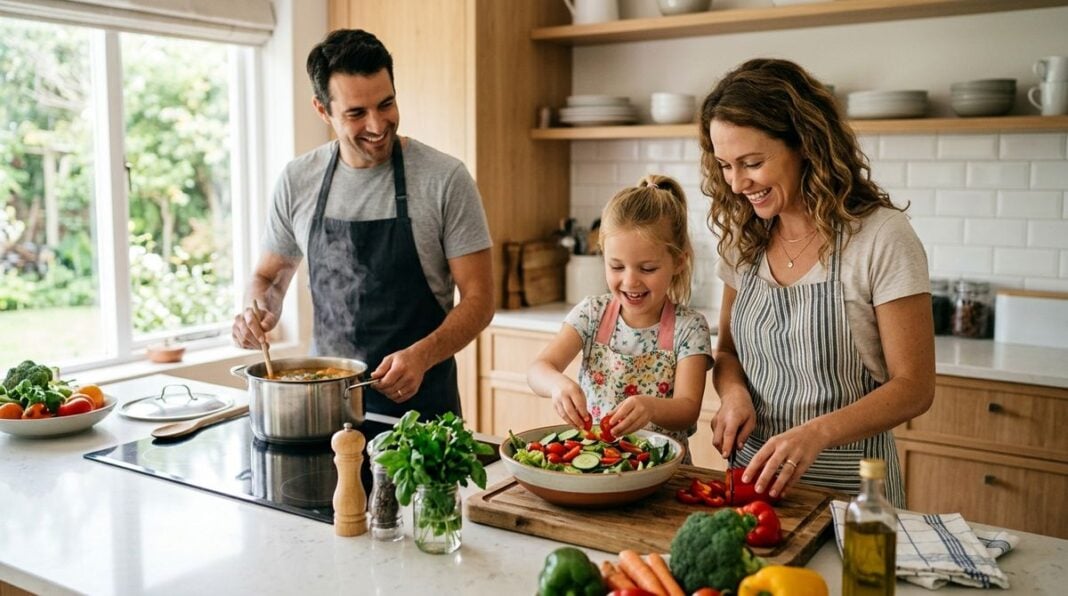

Food is one of the simplest bridges between home life and the wider world. When children help prepare a meal from another country, geography stops being an abstract school lesson and turns into an experience they can smell, touch, and taste. For families living in apartments or busy neighborhoods, organizing a small cooking circle offers a welcoming way to connect learning with shared community life.
Many parents want to introduce their children to global traditions and local social connections, but packed schedules get in the way. A neighborhood cooking circle does not require elaborate banquets or expensive gear. Instead, it functions as a simple monthly exchange where a few families take turns preparing a dish, discussing its background, and sharing portions with each other.
Setting up this routine gives young people meaningful responsibilities outside schoolwork. From mapping spice routes to exploring daily meal customs, a family cooking club blends social studies, practical teamwork, and everyday domestic skills into an activity everyone can enjoy together.
Choosing an Educational Theme for Each Gathering
A family cooking circle works best when each session has a clear focus. Rather than preparing an entire feast, pick one element to explore. You might choose flatbreads from around the world, hearty legume stews, or morning grain bowls. Keeping the scope narrow prevents parents from feeling overwhelmed and keeps children focused on a single culinary concept.
Before stepping into the kitchen, encourage children to do a little research. Ask them to locate the country of origin on a globe, look at typical regional crops, and note the climates where those crops flourish. When young learners discover why certain cultures rely on preservation methods like pickling or sun-drying, food becomes a lens for understanding history, ecology, and climate.
You can also introduce cultural customs related to hospitality. In many societies, serving tea or offering bread with both hands carries deep meaning. Discussing these traditions helps young family members understand that etiquette reflects shared community values, making distant geography and history feel personal and accessible.
Gathering Authentic Ingredients and Kitchen Ideas
Finding traditional ingredients offers another practical learning opportunity. A trip to an international market exposes children to unfamiliar vegetables, unique spice blends, and staple grains they might never see in a typical supermarket aisle. Navigating these markets encourages curiosity and teaches children to ask thoughtful questions about how ingredients are grown, stored, and prepared.
Before shopping, exploring regional culinary profiles helps families understand what makes each cuisine distinct. Checking pantry resources like farmhousefoodsco.com allows parents and teenagers to discover how global foods are categorized and how different regions combine staples to build distinctive flavors. Having this background makes the grocery trip far more engaging.
Encourage children to maintain a shared family spice log or pantry notebook. In this notebook, they can record the names of unfamiliar items, sketch what the seeds or leaves look like, and write brief descriptions of the scent and flavor. This simple habit turns routine meal preparation into an ongoing educational project that builds vocabulary and sensory awareness over time.
Exploring Contemporary Food Trends with Young Learners
While traditional recipes teach children about heritage, modern culinary movements provide excellent discussion topics for older children and teenagers. Today, discussions about how food is grown, packaged, and transported are closely tied to environmental studies, economics, and technology. Young people are often deeply interested in topics like plant-based menu options, zero-waste cooking, and sustainable farming methods.
Bringing current culinary topics into family discussions bridges textbook learning with daily life. Reading updates on food journalism sites like foody-goody.com gives families a shared reference point for discussing emerging dining habits, beverage innovations, and global product shifts. These stories show teenagers that food is an evolving cultural medium shaped by trade and community priorities.
You can ask teenagers to pick one modern trend and evaluate its practical side. For example, they might look at how a traditional recipe can be adapted to reduce packaging waste, or how a classic dish can be made using locally available seasonal produce. This exercise encourages analytical thinking while showing them how historical culinary traditions adapt to modern circumstances.
Connecting Respectfully with Neighborhood Families
Building a cooperative circle with neighbors requires clear communication and patience. Not every neighbor has the time or desire to attend long social gatherings, especially when managing irregular work shifts or family obligations. The goal is to create an easy, pressure-free system that respects everyone’s personal boundaries and schedule.
A doorstep exchange is often the easiest approach. Instead of hosting a full dinner in a crowded living room, families can agree on a day to deliver containers of their prepared dish to each other. This allows everyone to enjoy the food on their own schedule without hosting stress. Include a short note listing ingredients, potential allergens, and a sentence about the recipe’s cultural origin.
When asking whether neighbors enjoyed the dish or wish to participate again, modest communication is essential. Keeping notes friendly and low-pressure prevents people from feeling obligated. Reading our previous guide on asking neighbours for feedback without sounding desperate provides helpful perspective on inviting honest opinions while maintaining comfortable boundaries across the hallway or garden fence.
Respecting feedback also means accommodating dietary preferences gracefully. If a neighbor mentions an allergy or a preference against specific spices, make a note of it for future rounds. Demonstrating attentiveness to small personal preferences builds trust and shows young family members that true community connection is rooted in thoughtfulness and care.
Practical Steps for Keeping the Project Manageable
To ensure that your cooking circle remains an enjoyable habit rather than a chore, establish simple guidelines early on. Complex projects tend to fade when they demand too much cleanup or coordination. Dividing tasks into bite-sized routines ensures that even young children can participate meaningfully without creating extra stress for parents.
Here is a basic sequence to guide each round of your family cooking circle:
- Select a single regional dish or culinary theme that matches the curiosity of your children.
- Research the background, climate, and geography connected to the dish together as a family.
- Visit a local market to purchase any unfamiliar spices, grains, or produce needed for the recipe.
- Cook the recipe together at home, dividing age-appropriate tasks among family members.
- Package portions into clean containers and deliver them to your participating neighbors along with a handwritten note.
Following a predictable sequence helps children know what to expect and allows parents to plan ahead. Remember that the primary goal is curiosity, not culinary perfection. If a bread turns out dense or a spice blend tastes unfamiliar, treat it as an opportunity to discuss unexpected results and adjust seasonings next time.
By turning meal preparation into a gentle bridge between home learning and neighborhood goodwill, families can cultivate enduring cultural awareness. Children gain confidence in the kitchen, discover the stories behind everyday meals, and experience the quiet satisfaction of sharing something wholesome with the people living right next door.