

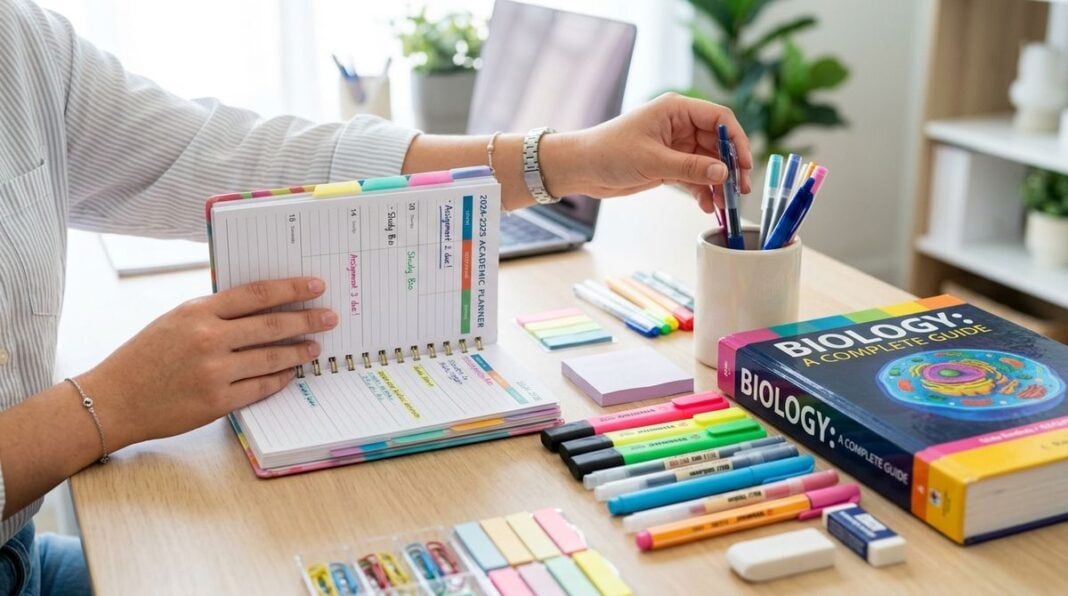

Independent learning often begins when a young person stumbles across an idea that refuses to leave their thoughts. During the busy school term, classroom assignments, mandatory readings, and weekly tests leave little room for personal exploration. When teenagers have the freedom to follow a genuine question on their own terms, learning transforms from an academic chore into an exciting personal adventure.
A curiosity project is an open-ended, self-directed exploration where a student selects a topic, gathers practical information, creates a small tangible outcome, and reflects on what they discovered. Unlike traditional schoolwork, there are no grades, standard evaluation rubrics, or harsh deadlines. The entire process belongs to the student, giving them full autonomy over what they explore and how they spend their time.
For parents, supporting an independent venture requires a shift in perspective. Rather than acting as an instructor, taskmaster, or editor, your role is to serve as a sounding board, an encouraging guide, and an enthusiastic listener. By creating a supportive environment at home, you can help your teenager build practical investigative habits and discover the joy of learning for its own sake.
Spotting Natural Interests Beyond the School Curriculum
The first step in launching a project is helping your teenager recognize what genuinely sparks their enthusiasm. Often, young people do not realize that their everyday hobbies, casual weekend reading, or mechanical curiosities can serve as the foundation for meaningful study. An interest might center on outdoor recreation, cooking techniques, environmental stewardship, bicycle maintenance, or how the human body adapts to regular physical exercise.
You can gently bring these interests into focus during regular family conversations around the dinner table or on routine drives. Ask what subjects they find themselves researching when no one assigns them a task. If your teen feels stuck or claims they do not have a specific passion, browsing collections of lifestyle and personal development articles on atvwire.com can help them explore diverse life topics, physical activities, and personal wellbeing ideas that fall outside traditional school textbooks.
Once a general topic catches their attention, help your teen narrow it down into an approachable, focused question. A broad subject like healthy living can feel intimidating, but exploring how daily hydration affects focus during afternoon sports gives them a clear target. Narrowing the scope keeps the project manageable, prevents early frustration, and ensures the learning remains directly connected to their daily routine.
Encourage them to keep a simple notebook or phone memo for questions that arise during the week. Giving ideas a few days to settle lets genuine curiosity surface. When a teen chooses a question that matters to them, personal motivation follows naturally without the need for constant reminders.
Connecting Personal Passions to Real-World Developments
A personal project becomes significantly more engaging when students see how their chosen topic connects to the wider world. Learning often feels artificial when confined to worksheets, but discovering that real communities, designers, and entrepreneurs actively debate the same questions brings immediate relevance to a teenager’s research.
Help your teenager spot bridges between their curiosity and societal trends. A student interested in sports equipment might look at how eco-friendly materials are used in running shoes, while someone curious about cooking might explore how local food pantries manage fresh produce distribution.
Encourage your teen to observe how their topic is discussed in the broader public square. Looking through general-interest resources like commentsdb.com allows teenagers to see how modern trends across business, technology, sports, and health are reported and analyzed in the daily news. This practice shows students that their personal curiosities are connected to ongoing conversations shaping modern communities.
Connecting an interest to real-world context also builds critical thinking. As they read varied perspectives, they learn to compare viewpoints and distinguish facts from personal opinions. These observational skills enrich their project and prepare them for thoughtful community participation.
Structuring a Manageable Four-Stage Project Plan
Without the rigid bells and homework trackers of school, an independent project can easily stall if there is no structure in place. A lightweight, flexible framework gives teenagers momentum without making the activity feel like another burdensome course. You can suggest breaking the project into four simple, clear stages.
- Explore: Select a focused central question, write down initial thoughts, and identify three specific things you hope to learn.
- Investigate: Gather clear facts, read articles, speak with knowledgeable neighbors, or observe practical examples in your local area.
- Create: Produce something tangible to capture your findings, such as an illustrated field notebook, a physical model, a short instructional guide, or a simple recipe collection.
- Reflect: Review what surprised you, evaluate what obstacles you encountered, and identify new questions that emerged during your work.
Remind your teen that these stages are guides rather than strict rules. If they uncover a surprising piece of information during the creation phase, they can always circle back to investigate further. The goal is steady, self-directed progress rather than a rushed attempt to check off boxes.
Agree on a relaxed rhythm, such as an hour on weekends or twenty minutes on quiet evenings. Modest time commitments keep the project enjoyable without competing with family routines or schoolwork.
Sharing Discoveries and Building Household Momentum
Every learning project benefits from a thoughtful, supportive audience. Once your teenager completes their tangible creation, set aside dedicated family time for them to share what they discovered. This presentation should feel like an informal show-and-tell rather than an academic defense, giving your teen the floor to celebrate their curiosity.
Sharing an independent project often inspires other household members to explore their own personal interests. When one person takes the initiative to master a new concept, it sparks curiosity across the entire family. If your household enjoys sharing practical know-how, you might organize a broader family skill-swap afternoon so that parents, teens, and younger children can teach each other helpful hobbies and practical skills.
During family discussions, ask open-ended questions about their experience. Inquire about the most surprising discovery, what was harder than expected, and what they might explore next. Celebrating their journey reinforces self-confidence and validates their initiative.
Sustaining Curiosity Without Academic Pressure
The greatest threat to an independent project is turning it into formal schoolwork. If parents suggest rigid outlines, correct casual grammar on notes, or demand polished presentations, teens lose ownership. Allow the final work to be imperfect, creative, and uniquely theirs.
Expect that some projects will pivot, evolve, or conclude earlier than planned. A change in direction is not a failure; it shows real learning in action. When teens realize that dead ends simply invite better questions, they build resilience that lasts well beyond the project.
By helping your teenager launch an independent curiosity project, you equip them with self-reliance, thoughtful research habits, and an enduring appreciation for discovery. These simple, home-based learning experiences demonstrate that true education extends far beyond the classroom, opening doors to a lifetime of personal growth and thoughtful engagement with the surrounding world.