

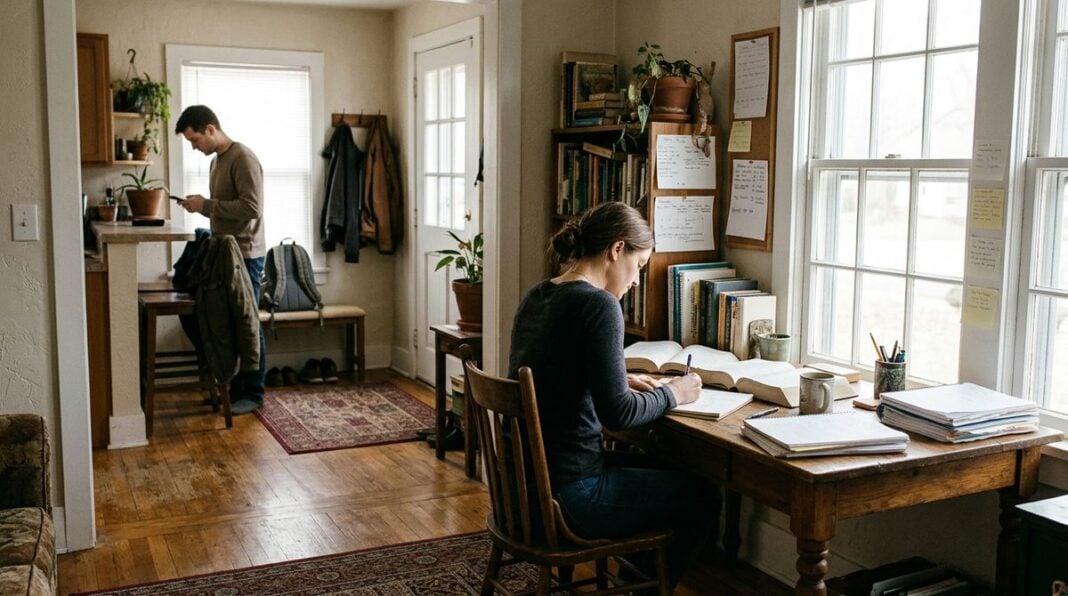

Every home experiences seasons when daily schedules feel rushed and fragmented. Between school assignments, household obligations, and extracurricular commitments, it can be difficult to find moments that encourage shared learning without turning the living room into a second classroom. When learning is treated as a rigid checklist, children and parents alike can easily feel depleted before the day has even properly begun.
Creating a supportive learning environment does not require adding hours of structured study to an already crowded calendar. Instead, sustainable growth often starts by reshaping existing daily rhythms so that curiosity, personal reflection, and mutual conversation feel natural. By establishing predictable habits that foster calm and inquiry, families can transform regular routines into meaningful opportunities for growth.
Anchoring the Day with Small Lifestyle Adjustments
The tone of a household is often determined by the way mornings unfold. When waking hours are dominated by urgent scrambling, mental energy is spent simply managing chaos rather than engaging with new ideas. Introducing calm, predictable habits provides family members with the stability they need to approach learning with an open and relaxed mindset.
Meaningful routine shifts do not have to be dramatic overhauls. Focusing on small daily modifications, such as setting aside a quiet moment for hydration and mindful planning before screens are turned on, can create an immediate sense of ease. For ideas on introducing practical wellness rituals and positive daily habits that support everyday family well-being, exploring resources like awomansviews.com can offer fresh inspiration for sustainable lifestyle improvements.
When children observe adults making deliberate choices about rest, pacing, and healthy environments, they absorb those lessons organically. A home environment that prioritizes calm transitions teaches young learners how to regulate their focus and prepare their minds for the intellectual challenges of the school day. Establishing predictable rhythms also reduces morning negotiations, freeing up mental bandwidth for positive interaction before heading out the door.
Introducing Intentional Windows for World Awareness
A well-rounded home routine balances personal reflection with an understanding of the wider world. It is easy for families to become insulated within their immediate neighborhood concerns, yet children benefit immensely from recognizing that their lives are connected to global communities and broader human stories.
Rather than keeping a nonstop stream of commentary running in the background, choose a brief, intentional window during the day to look at international events together. Sharing breakfast or gathering around the kitchen counter after dinner can provide an ideal space for a short conversation about global developments. Checking trusted headlines through Worldnewsclick.com offers a straightforward way to discover notable international stories and explore current happenings together as a family.
During these brief discussions, encourage questions rather than definitive answers. Asking children how a community across the ocean might handle a regional challenge, or what geographical factors shape an event, builds empathy and geographical literacy. These informal exchanges keep young minds engaged with world affairs without overwhelming them with digital noise.
Carving Out Dedicated Space for Self-Directed Inquiry
Curiosity thrives when children have the freedom to explore topics that lie outside their mandatory academic curriculum. While school provides essential foundational skills, a home routine should leave room for self-directed questions that emerge from personal enthusiasm and spontaneous wonder.
Designating an open-ended exploration block each week gives learners permission to dive into a specific topic of their own choosing. Whether a child is fascinated by architecture, botanical illustration, or how local transit networks function, unstructured exploration nurtures genuine initiative and self-reliance. If you are looking for structured advice on mentoring an older student through this type of self-directed research, our practical article on helping your teen launch an independent curiosity project offers actionable guidance for supporting their initiative without taking over their work.
When parents act as supportive sounding boards rather than directors, children gain confidence in their ability to formulate questions, seek reliable information, and draw their own conclusions. This balance between parental encouragement and learner autonomy builds intellectual resilience that serves students well throughout their academic journey. Over time, following personal interests helps young people identify the themes, subjects, and creative pursuits that genuinely excite them.
Designing a Simple Step-by-Step Daily Learning Rhythm
Establishing a sustainable household routine is most successful when approached as a collaborative family experiment. Rather than imposing sudden rules, involve everyone in mapping out a rhythm that respects individual work styles and energy levels throughout the week.
Consider putting together a gentle structure that anchors each portion of the day with a clear purpose:
- Morning ground check: Dedicate a few quiet minutes to reviewing the day ahead while sharing a wholesome breakfast.
- Midday reset: Encourage a brief pause between schoolwork and home activities to stretch, step outside, or change environments.
- Curiosity window: Reserve time for reading, exploring a hobby, or investigating a new question sparked by daily events.
- Shared connection: Come together in the evening for an open conversation about one interesting thing each person learned or noticed.
- Evening transition: Wind down with quiet reading and low lighting to support restorative sleep and prepare for tomorrow.
Keeping this framework visible on a shared family board helps everyone stay aligned without feeling micromanaged. Over time, these touchpoints become automatic markers of comfort and shared growth.
Maintaining Consistency Without Creating Unnecessary Pressure
The true measure of a successful family rhythm is its adaptability during hectic periods. There will inevitably be days when illnesses arise, deadlines collide, or family energy runs low. When these disruptions occur, rigid routines often collapse under their own weight, leaving parents feeling discouraged.
Approach your family schedule with grace and flexibility. If there is no time for an in-depth conversation about global news or a dedicated exploration session, simply holding space for a calm dinner or a quiet moment before bed is more than enough to maintain connection. Learning is an ongoing journey that unfolds across years, not a performance evaluated on a single day.
By building simple habits that honor both personal well-being and intellectual curiosity, families create a resilient foundation for lifelong discovery. When children experience learning as a peaceful and supportive part of everyday life, they carry that genuine enthusiasm with them into every classroom and community they enter.