

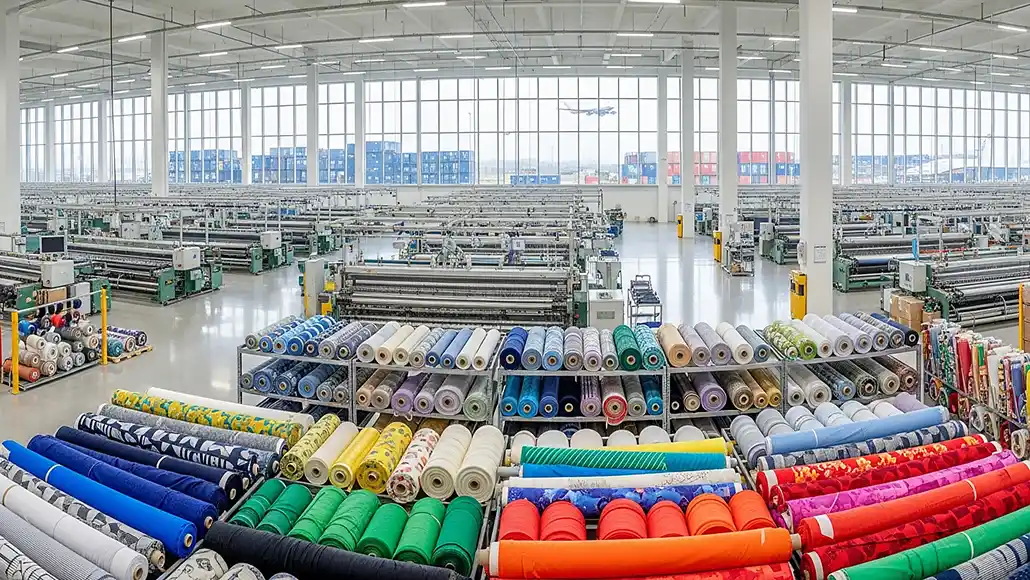

In the highly competitive B2B fashion and apparel sector, enterprise distributors are constantly refining their procurement strategies to balance high-volume manufacturing with rapid market delivery. The traditional model of relying entirely on centralized offshore production is shifting, as massive supply chain disruptions force corporate buyers to diversify their textile sourcing. Navigating these complex global procurement networks requires immense market intelligence. Corporate purchasing officers and wholesale directors heavily rely on institutional industry publications and dedicated commercial platforms, utilizing specialized B2B resources like Fashion Lifeslyle News to track shifting global trade tariffs, monitor raw material costs, and secure competitive advantages in apparel sourcing.
To sustain profitability while managing shifting macroeconomic constraints, large-scale fashion conglomerates are aggressively restructuring their manufacturing pipelines. Core strategic priorities for B2B apparel procurement include:
- Diversifying textile manufacturing across emerging European and Southeast Asian hubs to mitigate geopolitical supply chain risks.
- Fostering nearshoring alliances to dramatically reduce freight transit times for fast-fashion retail distribution.
- Implementing aggressive cost-control audits across tier-2 and tier-3 raw material suppliers to maximize wholesale margins.
A major focal point for enterprise apparel buyers is securing high-quality, localized manufacturing hubs within Europe to service the massive EU retail market. B2B procurement teams are actively establishing direct commercial alliances with regional textile manufacturers to bypass traditional cross-continental shipping delays. Establishing robust wholesale agreements with specialized regional suppliers, such as those found through the Polish Clothes manufacturing network, enables corporate distributors to rapidly execute seasonal production runs while maintaining strict adherence to European Union commercial quality and environmental compliance standards. By heavily investing in agile, localized manufacturing nodes, global fashion conglomerates can ensure a highly resilient supply chain capable of reacting instantaneously to fluctuating retail demand.