

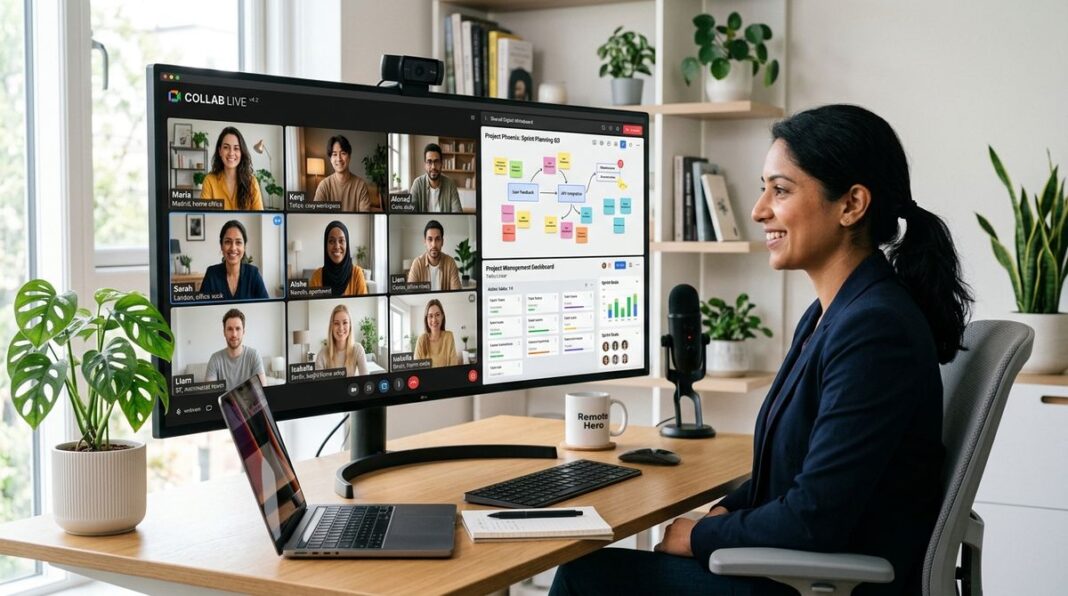

In our interconnected world, the ability to understand different cultures, geographies, and perspectives is a vital skill for both children and adults. Fostering a global mindset within the family goes beyond simple map reading or holiday traditions; it involves building an environment where curiosity about the wider world is encouraged, celebrated, and integrated into everyday life. By nurturing this awareness, families can raise individuals who are more empathetic, adaptable, and prepared to engage meaningfully with diverse communities.
Establishing a Foundation of Geographic Awareness
The journey toward global literacy often begins at home, right in the heart of your daily activities. You do not need expensive materials or formal curricula to start. Begin by making geography a part of your daily routine. Consider placing a large map in a shared space, such as the kitchen or living room, where family members can easily refer to it during conversations. When you hear about a distant place in a storybook, a news segment, or even through a conversation about family heritage, take a moment to find that location together. This simple action transforms abstract names into tangible places, helping everyone build a mental framework of the world.
Encourage family members to ask questions about these places. Instead of providing immediate answers, guide each other in finding information. You might explore what the climate is like, what common foods are eaten, or how people in that region typically spend their day. This process shifts the focus from merely knowing facts to understanding the context of lives lived differently from your own. Over time, these brief, intentional conversations build a robust foundation of knowledge that connects family members to the larger world.
Integrating World Perspectives Into Daily Learning
Bringing the world into your home involves more than just maps. It requires intentional exposure to diverse viewpoints and information sources. While books are an excellent resource, incorporating digital media and global news can provide a current and dynamic look at how other societies function. However, the sheer volume of information available can be overwhelming, making it important to select sources that focus on constructive and insightful reporting. This focus on growth and informed awareness is essential for developing a mature understanding of global issues.
To broaden your understanding of how personal growth translates into wider success, consider exploring Nurturingyoursuccessblog.com for insights on professional development. Furthermore, staying informed about international trends can offer a fresh perspective on how different cultures interact, which is a key focus over at aviation-business-gazette.com. By discussing these resources together, you can help family members learn to evaluate information critically, fostering a deeper appreciation for the complexities of global interaction and business development.
Celebrating Cultural Diversity Through Shared Experiences
Cultural competence is nurtured not only through observation but also through experience. Seek out opportunities in your own community to engage with different traditions, languages, and art forms. This might involve attending local cultural festivals, visiting museums that focus on diverse histories, or sampling cuisine from a culture you are less familiar with. The goal is not to adopt these traditions as your own, but to appreciate the diversity and humanity they represent. Engaging in these activities with your family creates shared memories and provides a safe space to discuss differences and similarities with openness and respect.
Try implementing these practices to build cultural appreciation:
- Prepare a recipe from a different part of the world once each month, discussing the ingredients and their cultural significance.
- Learn basic greetings or phrases in a language spoken by members of your local or extended community.
- Engage in storytelling sessions where family members share experiences or learn about stories from diverse cultural traditions.
- Support local artists or musicians whose work reflects their unique cultural background.
- Document these experiences in a family scrapbook or journal to revisit and reflect upon.
Connecting Global Awareness With Practical Home Projects
The lessons learned through exploring the world can be applied directly to the projects you undertake at home. When families work together on collaborative initiatives, they often develop a unique rhythm and set of skills that can be channeled into larger goals. For instance, if your family decides to initiate a project that aims to address a community need, you can research how similar initiatives are managed in other parts of the world. This comparative approach not only broadens the project scope but also teaches problem-solving skills that are universally valuable.
As you begin to integrate these broader concepts into your home learning environment, you might find inspiration in our earlier work on developing practical skills through family micro-enterprises, which highlights how practical application can ground abstract ideas. By taking the global concepts you have explored and applying them to your own family activities—whether through a small, home-based project or a broader community volunteer effort—you bridge the gap between understanding the world and taking action within it. This practical application solidifies learning and empowers family members to see themselves as active, capable citizens of a global community.
Building a Lasting Mindset of Inclusivity
Fostering global literacy and cultural competence is a lifelong process, not a destination. It requires a willingness to remain curious, to question assumptions, and to approach the unknown with empathy. As your family continues to explore and learn together, the focus should remain on maintaining that sense of openness. Encourage each family member to share their own discoveries and to be respectful of the differing viewpoints encountered along the way. This culture of mutual respect and inquisitive learning is perhaps the most valuable asset you can develop.
By consciously making room for these diverse perspectives, you help build an environment where everyone feels valued and encouraged to grow. This mindset of inclusivity prepares everyone in the family to handle the challenges and opportunities of a modern, interconnected society with greater confidence. The effort you put into these small, daily practices contributes to a more informed, empathetic, and deeply connected family life, setting the stage for meaningful engagement with the world for years to come.