

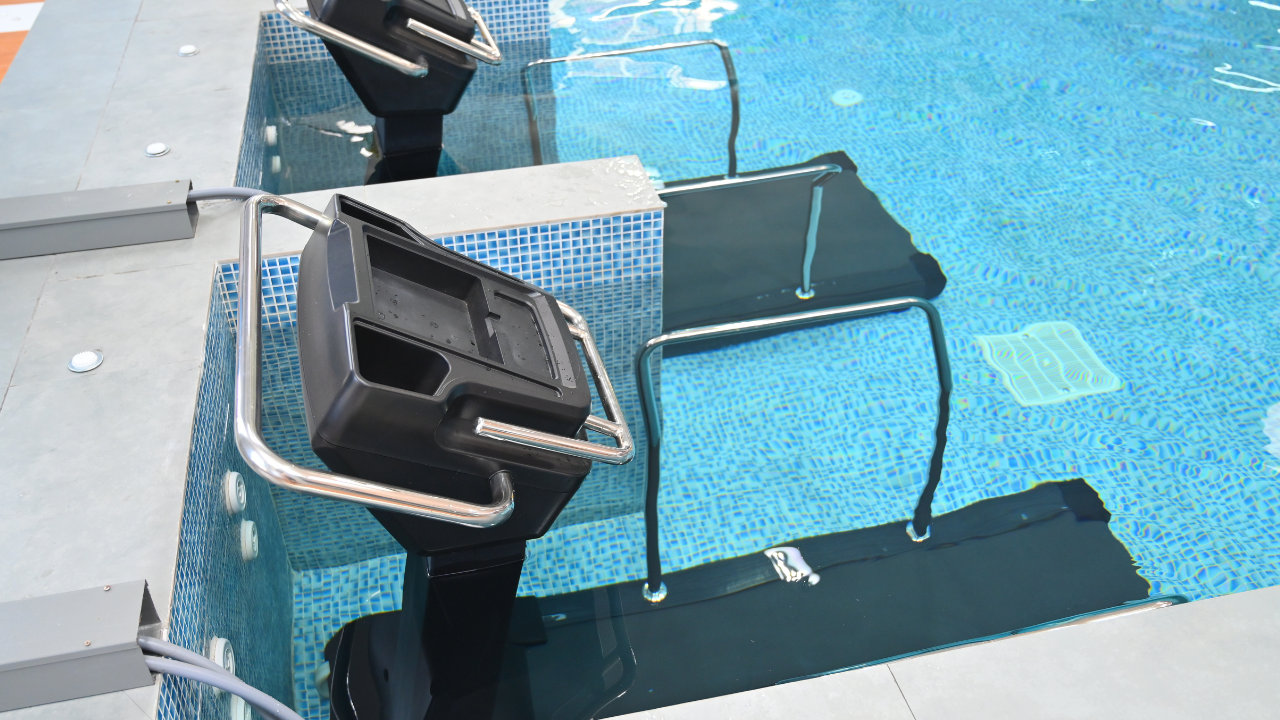

When we think of physical therapy, we often picture exercise rooms, resistance bands, and manual stretching. But increasingly, rehabilitation professionals are turning to a far more ancient and natural element to help patients recover: water.
Aquatic physical therapy, also known as hydrotherapy, is making waves in the world of rehabilitation. With its gentle resistance, buoyancy, and soothing properties, water provides an ideal environment for healing, especially for those suffering from pain, mobility limitations, or injury.
According to Jordan Sudberg, a leading pain management specialist, aquatic therapy isn’t just a trend—it’s an evidence-based approach with real, measurable benefits.
“Water therapy allows patients to move in ways they often can’t on land,” says Sudberg. “It minimizes pain, reduces impact, and enhances recovery outcomes across a wide range of conditions.”
In this post, we’ll dive into what aquatic physical therapy is, how it works, and why Jordan Sudberg recommends it as a powerful tool for both short-term relief and long-term rehabilitation.
What Is Aquatic Physical Therapy?
Aquatic physical therapy involves performing therapeutic exercises in a heated pool, often under the guidance of a licensed physical therapist. It can range from gentle movement routines to more structured strength and balance training—depending on the patient’s needs and condition.
The healing power of water comes from its unique physical properties:
- Buoyancy supports body weight, reducing strain on joints and muscles.
- Hydrostatic pressure helps reduce swelling and improve circulation.
- Viscosity provides natural resistance, aiding in strength building.
- Warm water soothes muscles and promotes relaxation.
“Water essentially becomes an extension of the therapist’s hands,” Dr. Sudberg explains. “It supports, resists, and relaxes—all at once.”
Conditions That Benefit from Aquatic Therapy
Aquatic physical therapy can benefit a wide range of patients, from post-surgical recovery to chronic pain sufferers. Some of the most common conditions include:
Arthritis and Joint Pain
The buoyancy of water reduces joint compression, making it easier for patients with osteoarthritis or rheumatoid arthritis to move without pain.
Post-Surgical Rehabilitation
After surgeries like knee or hip replacements, water allows for earlier mobilization with lower risk of re-injury.
Neurological Disorders
Patients with Parkinson’s disease, multiple sclerosis, or stroke-related impairments often experience improved balance, coordination, and confidence in water.
Chronic Pain and Fibromyalgia
Warm water combined with low-impact movement helps alleviate symptoms and improve function.
Sports Injuries and Orthopedic Conditions
From sprains to fractures, water provides a controlled environment for gradual recovery and strength rebuilding.
Jordan Sudberg emphasizes that aquatic therapy is not just for the elderly or injured—it’s also useful for athletes and active individuals seeking low-impact training and recovery.
“Whether you’re rehabbing an injury or managing long-term pain, water offers a level playing field where healing begins with movement,” he says.
Key Benefits of Aquatic Physical Therapy
1. Reduced Pain During Movement
The buoyancy of water takes pressure off joints, allowing for pain-free or pain-reduced motion, especially for those who find land-based therapy difficult.
“Pain is the #1 barrier to rehabilitation,” Sudberg explains. “When we remove that barrier, progress accelerates.”
2. Improved Range of Motion
The support of water helps patients stretch further and move more freely, which increases flexibility over time.
3. Enhanced Muscle Strength and Endurance
The water’s resistance makes every movement more effective, strengthening muscles without heavy weights or high impact.
“The water does the work of a gym,” says Sudberg. “It offers natural resistance in every direction, challenging muscles gently but effectively.”
4. Safe Environment for Balance and Gait Training
For patients with fall risks or neurological impairments, water provides a safer setting to retrain balance and walking mechanics without fear of injury.
5. Mental and Emotional Wellness
The calming effects of warm water can reduce anxiety and increase motivation during recovery. Many patients feel more confident and less frustrated in a pool setting.
Sudberg points out:
“Physical therapy is not just physical. Emotional engagement plays a big role in healing—and water helps foster a more positive therapeutic experience.”
What to Expect in an Aquatic Therapy Session
While each program is tailored to individual needs, most aquatic therapy sessions include:
- A thorough evaluation by a licensed therapist
- Warm-up movements and stretches
- Balance, strength, or mobility exercises
- Functional movements like walking or climbing steps in water
- Cool-down and relaxation time
Jordan Sudberg often collaborates with physical therapists to ensure that aquatic therapy is part of a larger pain management and recovery strategy, especially for patients with chronic conditions.
“It’s never just about water,” he says. “It’s about integrating aquatic therapy into a comprehensive, evidence-based recovery plan.”
Common Myths About Aquatic Physical Therapy
Despite its effectiveness, some patients are hesitant about water-based therapy. Let’s clear up a few common misconceptions:
“I can’t swim, so I can’t do aquatic therapy.”
Swimming ability isn’t required. Most exercises are done in waist- or chest-deep water under supervision.
“It’s only for elderly patients.”
Aquatic therapy benefits all ages and fitness levels, from post-op teenagers to senior citizens.
“It’s not real exercise.”
Aquatic therapy can be just as intense—and often more effective—than land-based training, especially when managing pain.
Sudberg notes that education is key to increasing patient participation.
“Once patients understand the science behind it, they’re more likely to embrace aquatic therapy and stick with it.”
Integrating Aquatic Therapy Into a Broader Recovery Plan
While aquatic therapy is powerful, it works best when combined with:
- Land-based therapy as patients progress
- Pain management treatments (e.g., manual therapy, injections, or medication when needed)
- Strength and flexibility training
- Lifestyle adjustments and education
Jordan Sudberg frequently includes aquatic therapy as part of his multimodal pain management approach, tailored to each patient’s condition, goals, and limitations.
“The goal is not just to treat pain, but to restore quality of life—and sometimes that journey begins in water,” Sudberg says.
Final Thoughts from Jordan Sudberg: Embrace the Healing Power of Water
Aquatic physical therapy is more than a novel treatment—it’s a transformative, evidence-based approach that offers real hope for patients struggling with pain, immobility, and recovery challenges.
With its ability to reduce pain, enhance strength, and promote freedom of movement, water provides a gentle yet powerful path back to health.
“Water gives us an environment where the body can move without fear and heal without pain,” concludes Jordan Sudberg. “It’s one of the most effective and underutilized tools in physical therapy today.”