

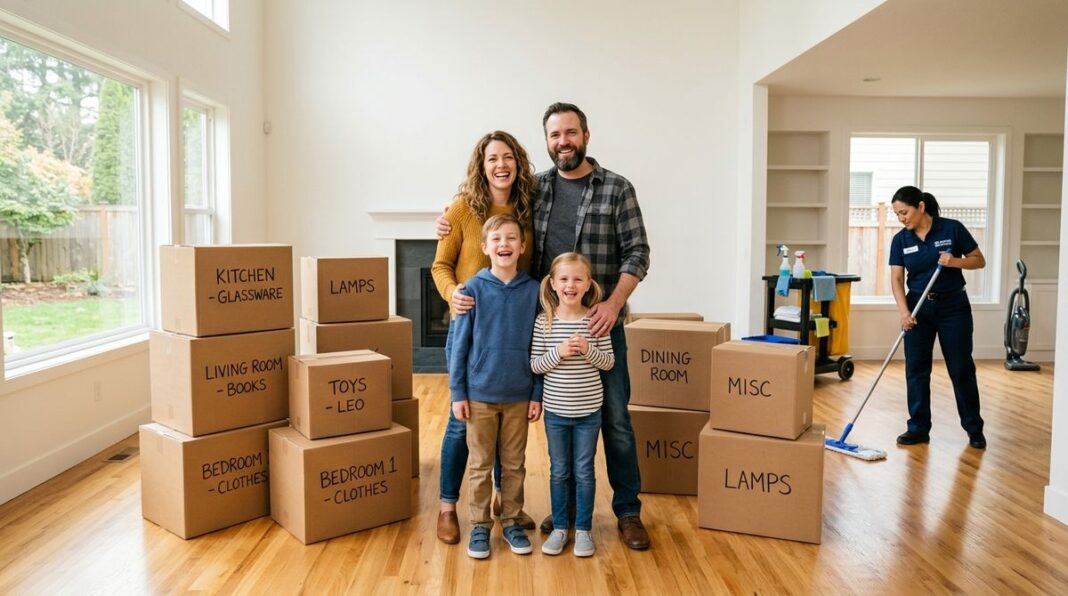

Creating a home environment that supports learning and collective growth is a journey that many families undertake. When the home is treated as a shared space where every member contributes to its upkeep and functionality, it becomes much more than just a place to reside. Instead, it evolves into a dynamic setting where curiosity is fostered and responsibility is naturally cultivated. Transforming how you interact with your living environment can have a profound impact on the atmosphere of the household.
Assessing Your Current Living Environment
The first step toward building a more collaborative and functional home is to understand how your current space is being used. Often, we become accustomed to the layout and contents of our homes, failing to see opportunities for improvement. Begin by observing how different rooms are occupied throughout the day. Are certain areas feeling cluttered or underutilized? This assessment is not about finding fault but about identifying potential for change.
When you approach a room with fresh eyes, you might discover items that no longer serve a purpose or simply occupy valuable floor space. Before you can make meaningful changes, it is necessary to clear away unnecessary items that hinder movement and focus. Maintaining an orderly space is an ongoing effort that benefits from a clear strategy. For those looking for structured guidance on decluttering, fairy-clean-out.com provides practical approaches to keeping living areas orderly and serene, helping families create a foundation for a more peaceful environment.
Taking the time to evaluate each room allows you to decide which spaces can be adapted for different needs. A corner that currently holds unused items might be perfectly suited for a quiet reading nook, or a dining room table might serve as a central hub for shared family activities if the surrounding area is better organized.
Enhancing Functional Livability
Once you have a clear understanding of your space, the next step involves making adjustments to improve its functionality. This does not necessarily require major renovations or expensive purchases. Instead, it involves thoughtful decisions about how furniture is arranged and how surfaces are utilized. Small changes can often make a significant difference in how a room feels and how effectively it supports family activities.
Consider the flow of movement through your home. Are there obstacles that make it difficult to navigate? Could the lighting be improved to make a space more inviting for reading or discussion? When you focus on making your home more livable, you create a setting where family members feel comfortable and productive. For ideas and advice on making these kinds of improvements, you may find helpful insights at thehomezoo.net, which covers various ways to enhance the comfort and utility of common living areas.
It is important to involve family members in this process. When everyone has a say in how the home is organized and improved, they are more likely to take ownership of the space and help maintain it. Discussing how a room should function creates a sense of shared purpose and reinforces the idea that the home is a team project.
Creating Dedicated Zones for Learning
Establishing specific zones within the home can help family members focus on different activities, from quiet study to collaborative discussions. By designating areas for particular tasks, you reduce distractions and make it easier for everyone to transition between different modes of activity. This structure is particularly helpful when managing the needs of multiple people sharing the same environment.
Consider these simple steps to help define these zones:
- Select a space with minimal foot traffic for quiet study or reading.
- Use storage containers to keep essential supplies close at hand but out of sight when not in use.
- Incorporate comfortable seating that encourages relaxation and focus.
- Use lighting to clearly define the purpose of an area, such as bright task lighting for a desk.
- Keep surfaces clear so that there is always room for a project or activity to begin.
By defining these areas, you help set expectations for what happens in each space. A dedicated quiet zone signals to others that concentration is needed, while an open communal area invites conversation and collaboration. This spatial awareness is a foundational skill that supports lifelong learning.
Developing Consistent Family Maintenance Routines
A functional home requires consistent effort to maintain. Developing routines ensures that the improvements you have made are sustained over time, rather than falling back into old habits. These routines should be simple, realistic, and shared among all family members, ensuring that the responsibility does not fall on just one person.
Maintenance extends beyond the interior living spaces to include everything that keeps a household running smoothly. For instance, being proactive with household equipment is crucial for avoiding disruption in your daily life. Just as you maintain the cleanliness of a room, preparing your vehicle for rainy weather is a vital part of seasonal home care that ensures your family remains mobile and safe throughout changing conditions.
Consistency is key. Whether it is a daily habit of clearing surfaces or a weekly effort to reorganize a shared shelf, keeping up with these small tasks prevents larger issues from accumulating. When these habits become second nature, the home remains a supportive and functional place for everyone.
Encouraging Collaborative Stewardship
Ultimately, the goal of organizing and maintaining a home is to foster a sense of collaborative stewardship among all family members. When everyone understands the value of their shared environment and participates in its care, the benefits are clear. This sense of shared responsibility builds teamwork, organization, and respect for the space that houses the family’s growth.
Encourage family members to take pride in their contributions. Whether it is keeping their personal areas tidy or working together to improve a communal zone, every effort contributes to the overall success of the home. By treating the home as a collaborative project, you are providing a practical example of how community and family life can be thoughtfully managed and improved.
This approach to home life is a continuous process of learning and adaptation. As your family’s needs evolve, your approach to organizing and improving your home will likely change as well. By staying engaged, communicating openly, and working together, you ensure that your home continues to be a nurturing space for learning, growth, and shared experiences.