

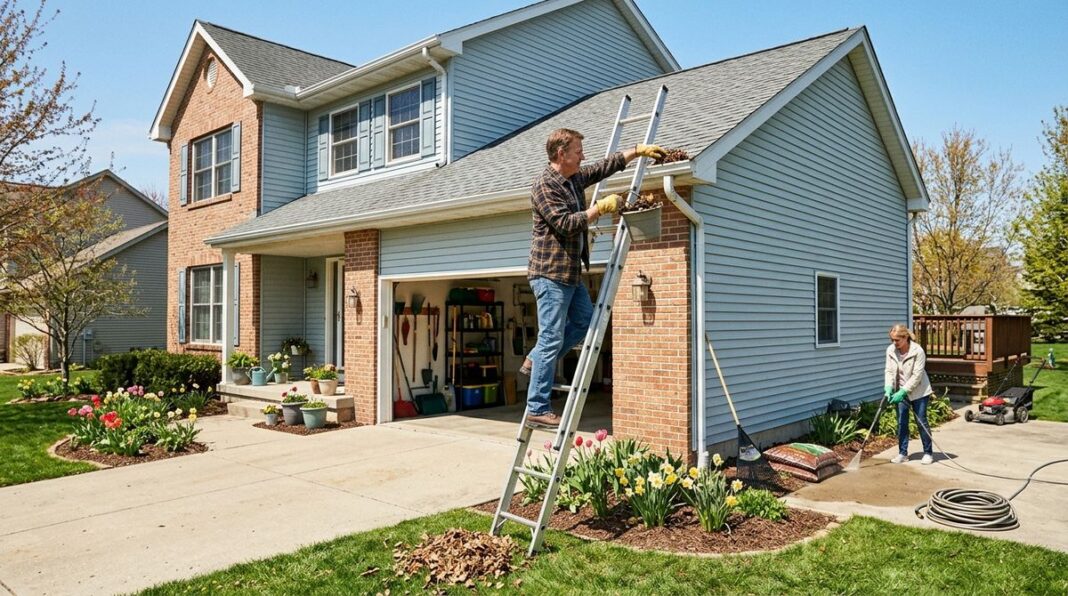

Home is more than just a place to live; it is a complex system that requires care, attention, and understanding. For families, the responsibilities involved in maintaining a living space offer a unique environment for children to learn practical skills, develop a sense of personal agency, and appreciate the value of their surroundings. Rather than viewing household tasks merely as chores, parents can frame these activities as essential lessons in life management and stewardship.
Engaging children in the upkeep of their home fosters a deeper connection to their environment and provides a tangible way to see the impact of their contributions. By teaching children how a home functions and the work required to keep it in good order, they gain confidence and a greater sense of belonging. This approach turns routine maintenance into an educational journey, preparing them for future independence while strengthening family bonds in the process.
The Educational Value of Home Care
When children participate in home maintenance, they are exposed to a variety of mechanical, organizational, and environmental concepts. Understanding how to manage a space involves learning about basic repair, the importance of upkeep, and the way different systems—such as lighting, plumbing, and climate control—interact. This knowledge demystifies the household environment, moving children from being passive occupants to active, informed participants.
Beyond the technical knowledge, this involvement cultivates critical thinking and problem-solving skills. When a door hinge squeaks, a drain runs slowly, or a garden bed requires weeding, children have the opportunity to observe the issue, discuss potential solutions with adults, and participate in the resolution. This process encourages them to view challenges as manageable tasks rather than overwhelming problems, a mindset that serves them well in academic and community settings alike.
Furthermore, regular care teaches the importance of consistency. A home does not remain in good condition on its own; it requires ongoing effort. Learning that small, consistent actions prevent larger issues is a profound lesson in long-term planning and responsibility. This habit of proactive care is a foundational skill that can be applied to other areas of life, from managing school projects to organizing personal affairs.
Practical Steps for Age-Appropriate Tasks
Introducing children to home maintenance should be done incrementally, with tasks that are appropriate for their developmental stage and ability. The goal is to provide enough support so they can succeed while ensuring they feel a genuine sense of accomplishment. It is helpful to start with simple, visible tasks that have clear beginning and end points, which helps children understand the direct relationship between their effort and the result.
Families can begin by walking through the home together to identify areas that need attention. This shared observation helps children learn to notice the state of their surroundings. For deeper insights into managing home care projects, families might find useful information at Realestateguidance.org, which provides a wealth of general knowledge on property maintenance and care. Engaging children in these discussions encourages them to think about what is needed to maintain a comfortable and safe environment.
As children grow, they can be given more complex responsibilities, such as assisting with minor repairs, organizing storage areas, or maintaining outdoor spaces. The key is to explain not just how to perform a task, but why it is necessary and how it fits into the broader functioning of the home. This context transforms a simple action into a meaningful contribution to the family.
Teaching Financial Awareness and Home Value
While home maintenance is often taught as a practical life skill, it is also an excellent vehicle for introducing basic concepts of value and investment. Explaining that proper care helps preserve the condition of a home helps children understand that their environment has both intrinsic and practical value. This perspective encourages them to treat their belongings and their living space with greater care and respect.
By learning how maintenance decisions affect the home, children can begin to understand the importance of making wise choices about how resources are used. It is a gentle way to introduce the idea that upkeep is an investment in quality of life. For those seeking a better understanding of how well-maintained spaces relate to broader property management and value, Estate-link.net offers a helpful perspective on these aspects of property stewardship.
This understanding of home value also teaches children to respect the work that goes into providing and maintaining a home. It fosters an appreciation for the resources required to create a comfortable living environment and encourages them to be conscientious users of shared household assets. This financial and resource-based literacy is a valuable component of a well-rounded education.
Community and Family Cooperation
The lessons learned through home maintenance extend beyond the walls of the individual dwelling. When a family takes pride in their home, it often reflects in their engagement with the neighborhood and the wider community. Teaching children to care for their space helps them develop a sense of responsibility toward the collective environment they share with neighbors, promoting a spirit of community cooperation.
This sense of responsibility can be bolstered when families discuss how their home life fits into the context of their broader environment. We have previously explored how families can turn various transitions into learning opportunities, including shared educational opportunities during family moves, which highlights the value of viewing changes in living situations as occasions for discovery. Applying this same mindset to daily home maintenance encourages a continuous engagement with the environment and community.
When families work together on home projects, it serves as a powerful model of teamwork. Children see that different family members have different roles, yet all are essential to the smooth functioning of the household. This collaborative effort helps children learn to negotiate, communicate, and support one another in achieving common goals, which are vital skills for community participation.
Maintaining Engagement and Motivation
Keeping children motivated in household care requires finding a balance between guidance and autonomy. It is important that these tasks feel like an opportunity to contribute rather than a burden. Families can often maintain enthusiasm by focusing on the purpose behind the tasks and celebrating the effort involved in keeping the home running smoothly.
Consistency and clear expectations are essential for building lasting habits. When children know what is expected of them and understand the value of their contribution, they are more likely to engage willingly. Here are a few ways to structure these activities for consistent learning:
- Create a visual list or schedule of shared maintenance goals for the week.
- Discuss upcoming projects as a family to encourage input and shared planning.
- Demonstrate new tasks clearly, allowing for practice and questions before expecting independent work.
- Rotate responsibilities to ensure exposure to different types of home systems and maintenance needs.
- Acknowledge the effort put into keeping the space in good condition, regardless of the size of the task.
By fostering a positive environment around home maintenance, families can ensure that these lessons in responsibility remain a productive and rewarding part of family life. The goal is to cultivate a habit of care that children will carry with them, benefiting not just their future homes, but their approach to all areas of responsibility.
Teaching responsibility through home maintenance is a long-term endeavor that reaps significant educational and practical benefits. By demystifying the care required for a functional living space and emphasizing the value of active stewardship, parents can provide their children with essential life tools. These lessons in independence, resource management, and community awareness build a strong foundation for their future development, all while creating a more cared-for and enjoyable family home.