

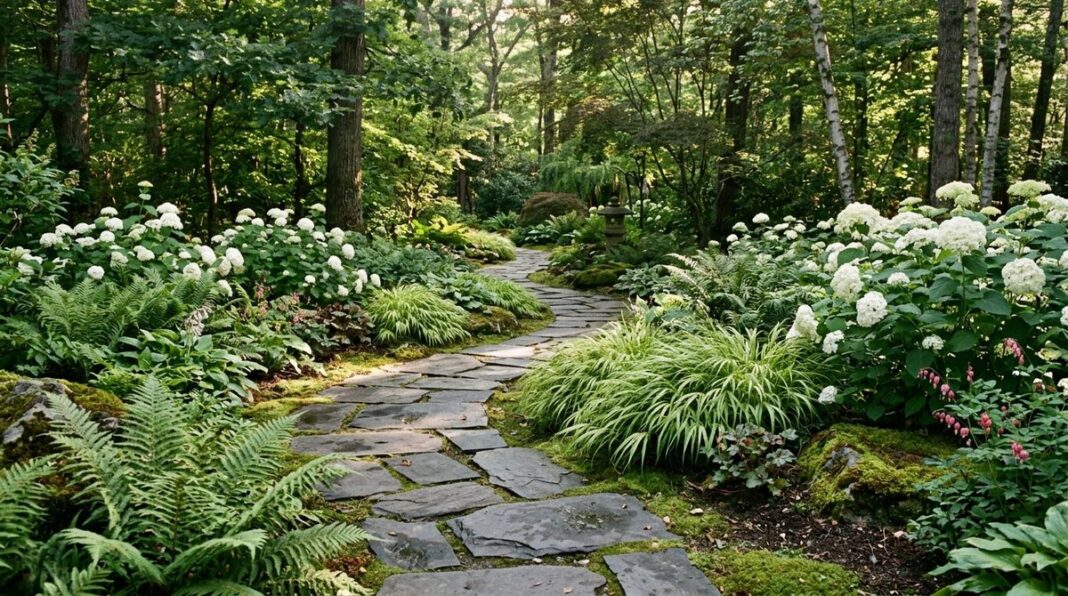

Starting a shared garden project in your neighborhood is a transformative way to foster connection among neighbors while providing an educational space for families. Whether you have a small vacant lot, a collective backyard, or simply a collection of containers on a shared patio, the act of growing food and flowers together builds resilience. It transforms unused spaces into vibrant hubs of activity that invite people of all ages to learn, share skills, and contribute to the local landscape.
The Foundations of a Collaborative Garden Project
The initial phase of any successful community endeavor begins with communication. Before turning any soil, bring together interested neighbors to discuss a shared vision. What does the group hope to achieve? Are you focusing on edible crops, native flowers to support local pollinators, or perhaps a mix of both? Defining the purpose early on helps align expectations and ensures that everyone feels invested in the process. Establishing a simple framework for decision-making and task distribution is essential for long-term harmony.
Consider creating a basic rotating schedule for routine maintenance duties, such as watering, weeding, and managing compost. When everyone understands their role, the workload remains light and sustainable. It is also beneficial to designate specific areas for different types of planting, allowing children and beginners to focus on hardy, fast-growing varieties, while more experienced gardeners manage more demanding crops. This shared approach encourages learning at every level and builds a sense of collective ownership over the space.
Physical and Mental Wellness in the Garden
Participating in a community garden offers significant benefits for the physical and mental well-being of all participants. The act of gardening itself is a gentle form of physical activity that engages various muscle groups, promoting flexibility and endurance. It encourages spending time outdoors, which can be restorative after time spent in front of screens. For many, this quiet, focused work acts as a form of meditation, helping to lower stress levels and improve mood.
Beyond the exercise, gardening connects us to the seasonal rhythms of nature, which can have a grounding effect. It provides an opportunity to disconnect from the frantic pace of daily life and engage with something tangible. Those interested in learning more about the intersection of physical health and daily habits can explore insights on usamarketarea.com for further context on maintaining wellness. Engaging with these healthy practices in the fresh air, surrounded by greenery, amplifies the benefits and creates a holistic experience that supports individual health as well as community cohesion.
Economic Resilience and Neighborhood Growth
Collaborative gardening can also strengthen the local economy and build resilience within a neighborhood. By producing some of your own fruits, vegetables, or herbs, you reduce the necessity of purchasing produce from external sources. This practice encourages a focus on local resource management and waste reduction, particularly when the community implements effective composting programs to enrich the soil. Sharing tools, seeds, and knowledge further decreases individual costs and fosters a culture of mutual support.
Furthermore, strong community networks are often better equipped to navigate broader economic shifts. When neighbors are accustomed to working together, sharing resources, and solving problems collaboratively, that same spirit extends to other areas of neighborhood life. Staying informed about broader developments can help communities better understand how local actions fit into the larger picture, and platforms like businessnewsinc.com provide useful perspectives on the trends and events influencing global and local economies. A resilient neighborhood is one where people are connected, informed, and actively working to improve their shared environment, making them more adaptable to change.
Integrating Garden Care with Home Maintenance
Maintaining a shared garden requires attention to the surrounding environment and the structures that support it. If your garden is located near homes, sheds, or fences, integrating your garden care with general property upkeep is a smart approach. Ensuring that paths are safe, fences are sturdy, and drainage around the garden beds is properly managed protects your hard work and keeps the neighborhood looking its best. This kind of systematic upkeep prevents issues before they arise.
For those looking to keep their properties in top shape alongside their garden tasks, it helps to adopt a structured approach to seasonal duties. You might find it useful to coordinate your garden cleanup with the larger tasks needed for your home. For detailed advice on how to manage these various responsibilities, you can consult our seasonal home maintenance guide to ensure that you are staying ahead of necessary repairs and preventive actions throughout the year. This holistic view of property and garden management ensures that your community project remains an asset to the neighborhood rather than becoming an added burden.
Sustaining Your Garden for the Long Term
To ensure your community garden remains a lasting resource, it is crucial to focus on sustainability and ongoing engagement. This involves building soil health through natural methods, selecting plants that thrive in your specific climate without requiring excessive resources, and continuously welcoming new participants. Keep the learning process alive by hosting small, informal workshops where experienced gardeners can pass on skills to others. Consider these practical steps for a thriving, sustainable space:
- Rotate your crops annually to manage soil nutrients and pests naturally.
- Collect rainwater to reduce your reliance on municipal water systems.
- Use natural mulch to suppress weeds and retain moisture in the soil.
- Create a clear, simple plan for composting green waste from the garden.
- Celebrate your successes with community harvests to reward collective efforts.
Maintaining a shared garden is a journey that evolves with every season. It requires patience, commitment, and a willingness to learn from successes and challenges alike. By staying focused on collaboration, wellness, and resilience, you create a space that offers much more than just fresh produce. You create a focal point for neighborhood life, where knowledge is shared, relationships are built, and the entire community grows stronger together. This process of cultivating both plants and connections is perhaps the most rewarding harvest of all.