

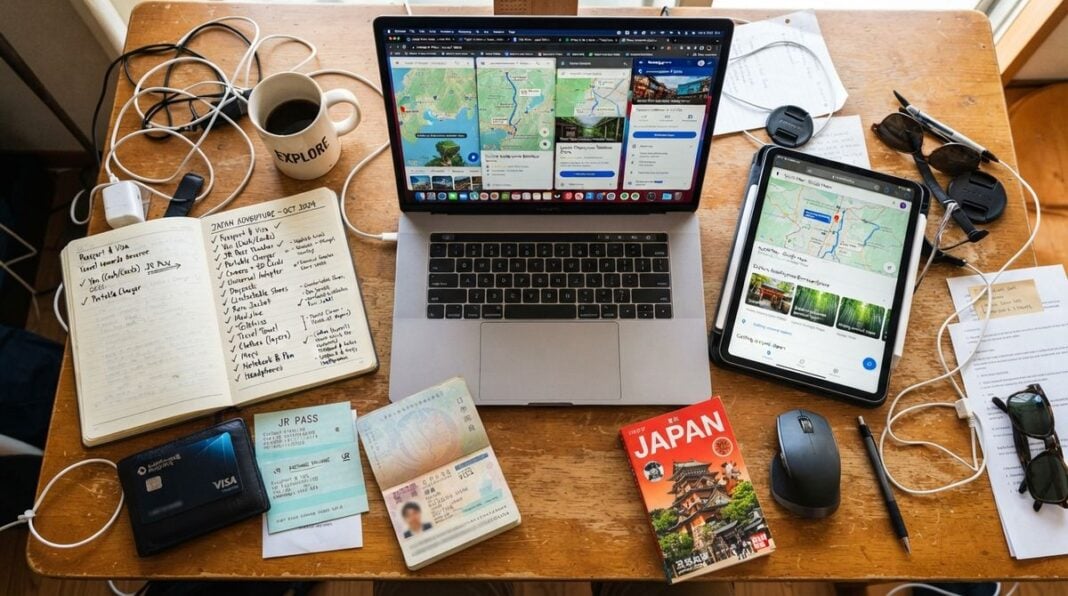

Travel has an extraordinary capacity to expand a child’s understanding of the world. While formal education builds essential foundational knowledge inside classroom walls, venturing into new environments transforms abstract textbook lessons into vivid, firsthand discoveries. Stepping beyond familiar neighborhood routines encourages young people to observe diverse communities, navigate unfamiliar situations, and develop deep cultural empathy. Whether traveling to a neighboring state or journeying across oceans, family adventures present countless teachable moments that shape how young minds perceive human diversity and community connections.
Designing a trip centered on learning does not mean turning family vacations into rigid academic lectures or exhausting itineraries. Instead, it involves cultivating natural curiosity, inviting young travelers directly into the decision-making process, and balancing memorable exploration with thoughtful safety measures. By approaching family travel as an extended educational project, parents can nurture resilience, critical thinking, and global awareness while creating lasting memories together.
Shifting from Sightseeing to Authentic Cultural Discovery
Many conventional family itineraries center almost exclusively on crowded landmarks, commercial theme parks, and hurried sightseeing tours. While famous attractions have their place, relying solely on standard tourist trails often shields visitors from the authentic daily rhythms of the region. Focusing on experiential learning invites families to seek out smaller residential districts, local farmers markets, neighborhood parks, and traditional craft workshops where meaningful community interactions happen naturally.
Engaging directly with regional traditions allows children to appreciate how geography, climate, and heritage shape daily life. Encouraging kids to sample unfamiliar local dishes, listen to regional music, and observe everyday etiquette helps dismantle stereotypes and fosters genuine open-mindedness. For example, learning how residents in different parts of the world preserve natural landscapes, build sustainable structures, or celebrate seasonal harvests provides tangible lessons in environmental stewardship, architecture, and cultural history.
Families seeking unique excursions often benefit from researching destination-specific resources that highlight off-the-beaten-path journeys. Looking at regional travel platforms such as pure-kanagawa.com can inspire travelers to explore peaceful coastal areas, historic walking trails, and traditional artisanal towns rather than sticking exclusively to bustling metropolitan hubs. Exploring such alternative destinations encourages children to appreciate quiet craftsmanship, local agriculture, and regional heritage at an unhurried, thoughtful pace that promotes genuine curiosity.
Managing Documentation and Legal Preparedness for Family Journeys
A truly successful learning journey requires solid logistical groundwork long before departure day. While parents naturally focus on packing lists, flight schedules, and hotel bookings, legal and administrative preparations are equally vital. Understanding the documentation required when crossing borders, renting equipment, or participating in structured group activities protects both parents and young travelers from unexpected complications that could derail the trip.
When traveling internationally or embarking on organized youth programs, parents should gather necessary paperwork well in advance. This includes valid passports, notarized travel permission letters when a minor travels with one parent or extended relatives, and copies of essential identification. Navigating local regulations, liability waivers, and consumer rights can seem overwhelming, but general legal education resources make these concepts manageable. Consulting informational platforms such as mycasesource.com offers helpful overviews on standard legal practices, documentation guidelines, and common protections that help families organize their travel affairs with clarity and confidence.
Beyond official identification, families should familiarize themselves with local emergency procedures and regional standards. Teaching children what to do if they are separated from the group, how to recognize official personnel, and where copies of family documents are securely stored builds situational confidence. Clear preparation eliminates unnecessary anxiety, allowing everyone to focus on the educational adventure with peace of mind.
Practical Steps for Involving Children in Trip Planning
Active participation transforms children from passive passengers into invested explorers. When young learners contribute to the itinerary, their personal engagement and enthusiasm increase significantly. Delegating age-appropriate responsibilities also teaches practical life skills such as reading physical maps, organizing daily schedules, calculating currency conversions, and managing small personal budgets.
Parents can introduce structured, collaborative habits before leaving home to ensure the journey runs smoothly and provides meaningful educational value:
- Assign personalized roles: Let one child serve as the family navigator using paper maps, while another acts as the official photographer or daily journal keeper.
- Research cultural etiquette together: Spend an evening discovering basic greeting phrases, common dining customs, and respectful dress codes for your destination.
- Establish daily downtime: Plan quiet afternoons for reading, sketching, or resting in local parks to prevent sensory fatigue and travel burnout.
- Select a shared family learning project: Collect pressed leaves, document regional architectural styles, or maintain a bilingual vocabulary notebook throughout the voyage.
Establishing Outdoor Safety and Environmental Awareness
Many educational adventures take families outdoors, whether hiking mountain paths, touring nature reserves, or exploring coastal ecosystems. Natural landscapes offer remarkable opportunities to study biology, ecology, and environmental science firsthand. However, outdoor exploration also demands heightened awareness of safety protocols, physical boundaries, and regional conservation rules.
Before setting out on trails or waterways, parents and youth should review weather forecasts, terrain difficulty, and required safety gear together. Setting firm ground rules regarding staying on marked paths, respecting wildlife habitats, and carrying adequate hydration reinforces responsible outdoor habits. Explaining the reasoning behind these rules teaches young travelers that personal responsibility and environmental conservation go hand in hand.
Water environments, in particular, require attentive supervision and an understanding of established safety standards. Whether your family is kayaking on an alpine lake, boarding a scenic ferry, or visiting an ocean beach, familiarity with regional regulations and facility safety rules is critical. For a deeper discussion on water safety protocols and recreational standards, parents can read our earlier guide on youth water recreation safety and family rights before finalizing outdoor itineraries. Being proactive about protective gear and qualified instruction ensures that aquatic adventures remain both educational and secure.
Reflecting on Experiences and Bringing Lessons Home
The educational value of travel does not end when the return journey begins. In many ways, the post-trip period is when true learning takes root and solidifies. Reflecting on shared experiences helps young travelers process the new perspectives, customs, and challenges they encountered along the way, integrating those lessons into their everyday lives.
Encouraging children to organize their photos, write personal reflections, or present their discoveries to classmates bridges vacation memories with academic growth. Discussing the cultural similarities and differences observed abroad deepens a child’s understanding of their own community and fosters gratitude for the wider world. These conversations reinforce the idea that learning is an active, ongoing pursuit that extends far beyond the four walls of a school.
Family adventures provide an unmatched foundation for lifelong curiosity, empathy, and practical problem-solving. By prioritizing authentic cultural immersion, thorough legal and logistical preparation, and attentive safety practices, parents can turn every journey into a transformative learning experience. When young people explore the world with curious minds and well-prepared guides, they return home with broader horizons and a deeper appreciation for the global community.