

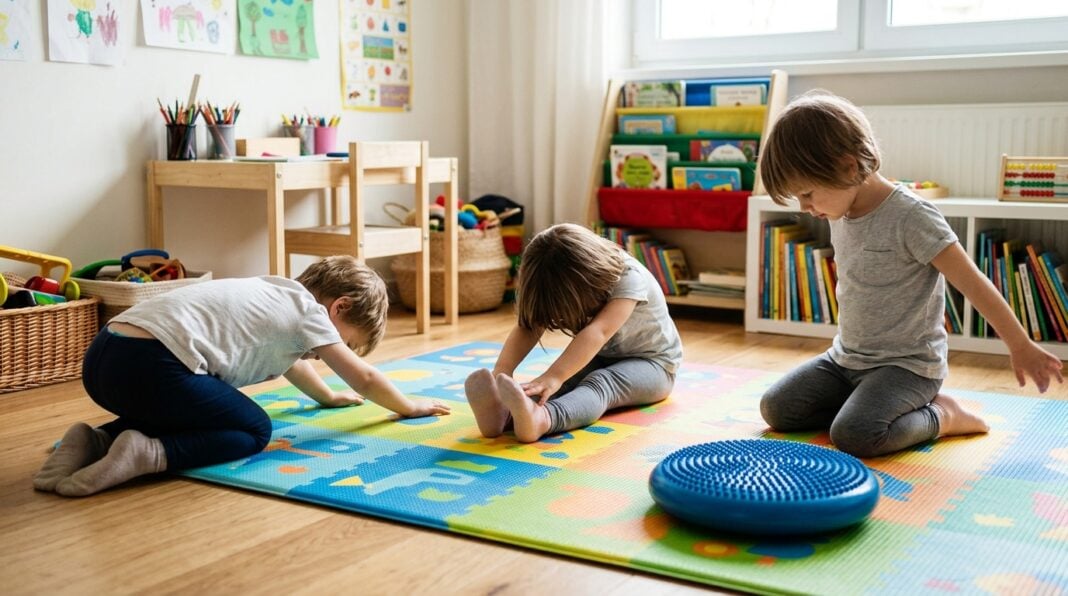

Learning flourishes when the mind and body operate in complete harmony. For young students, long periods of sitting quietly with textbooks or computer screens can quickly lead to physical fatigue, mental fog, and diminishing enthusiasm. When parents and caregivers intentionally design a supportive physical environment and integrate regular physical activity into daily schedules, home education becomes an invigorating, enjoyable journey rather than a stressful daily obligation.
Establishing a positive learning atmosphere involves much more than enforcing rules or tracking completed worksheets. It requires cultivating an environment where children feel energetic, physically comfortable, and mentally ready to tackle new challenges. By weaving purposeful movement and thoughtful organization into household life, families help children build lasting associations with personal wellness, focus, and curiosity.
The Vital Connection Between Movement and Focus
A growing child relies naturally on physical movement to process ideas, relieve tension, and maintain mental alertness. Physical activity stimulates healthy circulation, supports brain function, and helps young minds transition smoothly between demanding academic subjects. When children have predictable opportunities to move their bodies throughout the day, their ability to concentrate during quiet study improves significantly.
Modern education frequently blends traditional reading with interactive online research. While digital resources provide remarkable access to knowledge, balancing digital exposure with physical activity is vital for maintaining emotional and physical equilibrium. Parents seeking thoughtful strategies to manage screen time alongside everyday home routines can review our guide on modern digital skills for families to create a cohesive daily schedule.
Taking short, active intermissions between study intervals helps clear mental clutter and prevent frustration. Simple actions, such as stepping into the garden for fresh air or performing light stretches, allow the nervous system to relax and reset. Rather than treating physical activity as an unwelcome interruption to formal study, families can view movement as an indispensable companion to academic development.
Designing a Purposeful Space for Home Learning
The physical layout of a home plays an influential role in shaping a child’s concentration and study habits. A cluttered, disorganized room often produces visual distractions and unnecessary stress, making it difficult for a young learner to settle down with a book or complete a creative project. Creating dedicated spaces for focused study, quiet reading, and active play helps children develop clear mental boundaries during the day.
Setting up an effective study station does not require expansive living quarters or specialized equipment. It primarily calls for intentional spatial organization, pleasant natural lighting, comfortable seating that encourages upright posture, and accessible shelves for books and writing utensils. When children know where their tools belong, they spend less time searching for lost items and more time engaged in productive discovery.
Homeowners and growing families often gain useful perspective by exploring practical concepts for improving residential environments. When seeking inspiration for functional living layouts, thoughtful spatial planning, and sturdy structural arrangements, discovering ideas through contconcord.com can assist households in creating rooms that balance daily living needs with dedicated learning areas.
Ergonomic comfort should also be considered when designing a study space. Chairs should provide adequate back support, and desk surfaces should allow arms to rest comfortably without straining shoulders or neck muscles. When physical discomfort is minimized through thoughtful spatial arrangement, young learners can devote their complete energy to reading, writing, and creative problem-solving.
Practical Steps for Active Learning Routines
Establishing lasting family routines demands a practical, gradual approach that accommodates the realities of daily life. Attempting abrupt, sweeping changes often results in frustration and abandonment of new schedules. Instead, introducing small, reliable practices allows children to absorb healthy routines comfortably and build confidence in their personal habits.
Parents can introduce several practical measures to keep daily learning active, organized, and enjoyable:
- Incorporate brief movement intervals: Alternate focused study periods with brief physical breaks to stretch muscles and refresh mental focus.
- Arrange multi-purpose learning zones: Provide distinct spots for written work, independent reading, and creative arts to encourage natural posture changes throughout the afternoon.
- Involve children in organization: Invite young learners to arrange their materials and clean their desks after completing assignments, building a sense of personal responsibility.
- Plan daily outdoor exploration: Spend regular time outside each afternoon to experience natural light, fresh air, and unstructured play before evening family activities.
These manageable steps create positive momentum over time. When children look forward to a short movement break after finishing an assignment, they tackle their schoolwork with greater stamina and positive expectation. Over time, these consistent rhythms teach children how to recognize their own energy levels and manage fatigue responsibly.
Fostering Physical Wellness Across the Family
Children develop habits primarily by observing the daily behaviors and choices of the adults around them. When wellness and physical vitality are shared family priorities rather than isolated chores, young people naturally view movement as a normal, enjoyable aspect of life. Participating in joint activities, such as evening strolls through the neighborhood or weekend bike rides, reinforces family connection while supporting physical health.
Consistent physical conditioning helps growing bodies develop stamina, coordination, and muscular balance. For families seeking reliable inspiration on developing sustainable fitness habits, regular exercise, and lifelong health routines, consulting dedicated wellness resources like Fitness-Studion1 offers practical guidance on maintaining physical conditioning and vibrant daily health.
Proper nutrition, consistent hydration, and restorative sleep form the remaining pillars of physical wellness. A child who receives adequate rest and nutritious meals possesses the sustained energy needed for complex cognitive tasks. When a household commits to supporting each other’s physical wellness, academic effort feels less draining and significantly more rewarding.
Sustaining Healthy Habits Beyond the Classroom
The broader purpose of pairing organized spaces with active routines is to equip children with tools for lifelong personal growth. Education extends far beyond school curricula and standard homework assignments. By learning how to cultivate an orderly personal workspace and balance intellectual exertion with bodily movement, young learners gain self-reliance that benefits them throughout their lives.
Engaging with local community resources further strengthens these healthy patterns. Visiting public community libraries, joining local sports programs, and exploring regional nature preserves demonstrate to children that learning and physical activity belong to the wider world. Community connections provide children with rich social experiences, varied perspectives, and healthy role models outside the home.
Building a home that nurtures mental curiosity alongside physical vitality gives children the confidence and resilience they need to flourish. Through thoughtful space design, predictable movement, and encouraging family routines, parents can ensure that the educational journey remains inspiring, balanced, and deeply fulfilling for years to come.