

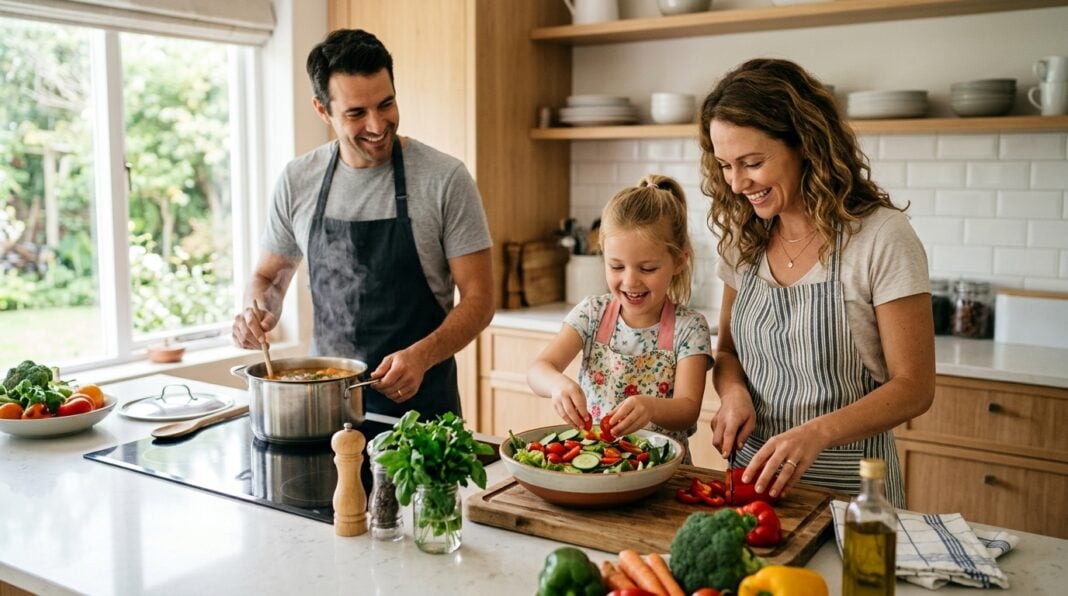

Learning begins at home, and few lessons carry greater significance than understanding personal well-being. When families treat wellness as an open dialogue rather than a set of rigid chores, children naturally develop an instinctive respect for their physical and mental health. This journey is not about perfection or complicated routines. Instead, it centers on cultivating practical daily awareness, asking thoughtful questions, and recognizing how personal choices touch neighbors, friends, and the broader community.
Creating an environment where health is actively explored empowers children to make informed decisions throughout life. From discovering how nutritious foods fuel our energy to learning how to rest after a busy day, wellness education forms an essential foundation for all learning. By establishing steady habits within the household and connecting those habits to community well-being, families foster resilience, empathy, and proactive self-care.
Why Everyday Health Education Starts at Home
Children absorb habits primarily by observing the adults around them. When parents model thoughtful choices—such as drinking water regularly, taking walks to clear the mind, and speaking constructively about stress—children internalize these actions as standard life skills. Rather than viewing wellness as a clinical topic reserved for clinic visits, young learners begin to see care as a positive rhythm of daily living.
Encouraging children to listen to their bodies is an invaluable early step. Simple conversations about hunger cues, fatigue, and emotional changes help children identify their needs before problems escalate. When a child feels comfortable explaining that they feel tired or unsettled, caregivers can respond with guidance and support, turning everyday physical signals into teachable moments.
Furthermore, open family discussions reduce fear and hesitation regarding medical care. When young people view healthcare professionals as friendly partners in their growth rather than figures associated only with illness, routine checkups become positive learning opportunities. Demystifying bodily care early builds confidence, preparing young people to manage their own health responsibly as they mature.
Navigating Online Health Information Together
In our connected world, questions about symptoms, nutrition, and fitness almost instantly lead to an online search. While the internet offers an extraordinary wealth of knowledge, it also presents conflicting claims, unverified advice, and exaggerated headlines. Teaching young learners how to sift through online material is an essential part of health education that connects digital literacy with personal care.
As we explored in our previous discussion on teaching modern digital skills for families, guiding children to evaluate source credibility helps them build critical thinking habits that apply across every subject. When applied to health, this skill is especially vital. Families can practice evaluating articles together, looking at author credentials, publication sources, and whether advice encourages balanced living or promotes extreme, untested claims.
Introducing children to dependable clinical perspectives can turn health research into an engaging learning exercise. Reading reputable blogs such as Joomdactor.com gives families direct insight into how practicing physicians examine common conditions, preventive care, and ongoing medical developments. Exploring doctor-written articles allows older children and teenagers to see medical concepts translated into accessible language, reinforcing the idea that dependable wellness knowledge comes from dedicated professionals.
Practical Daily Routines for Lifelong Well-Being
Transforming abstract wellness concepts into tangible household routines requires consistency rather than complexity. When families establish predictable daily rhythms, healthy practices become second nature rather than burdensome obligations. These practices do not require specialized equipment or rigid schedules; they thrive on mindful repetition and shared participation.
A cooperative approach invites children to take ownership of their habits. Involving kids in meal preparation, allowing them to choose family outdoor activities, and setting up calm evening environments give them an active voice in their care. Over time, these simple household routines build foundational habits that support steady energy and emotional balance.
Consider incorporating these simple practices into your shared household routine:
- Preparing meals together to discover how whole ingredients, colorful produce, and fresh flavors contribute to sustained daily vitality.
- Establishing predictable evening wind-down rituals, including dimming overhead lighting and putting screens away well before sleeping.
- Engaging in shared outdoor movement, whether through weekend nature strolls, bicycle rides, or cooperative neighborhood games.
- Holding regular family check-ins where everyone can share their current emotional state, school challenges, and personal goals.
Each of these steps demonstrates that healthy living is a cooperative, joyful effort. When children realize that their choices actively shape how energetic and focused they feel each day, they become willing partners in maintaining their personal wellness.
Strengthening Community Health Through Shared Action
Individual wellness does not exist in isolation; it flourishes when supported by a healthy community. A family that prioritizes wholesome living naturally finds opportunities to uplift neighbors, support local initiatives, and contribute to communal spaces that benefit everyone. Community wellness encompasses everything from clean shared parks and local garden projects to neighborhood support programs.
Participating in community-focused health initiatives teaches children civic responsibility and empathy. When families volunteer at community gardens, donate nutritious items to local pantries, or join neighborhood cleanups, children see that personal care extends to the surrounding environment. They recognize that clean air, safe parks, and accessible wellness resources should be nurtured collectively.
Resources like Doctorsstudio.org emphasize this collaborative mindset, showing how dedicated spaces and initiatives work to build a healthier community for each individual and contribute to a healthier world overall. Connecting family values with community-oriented resources helps children realize that their everyday choices contribute to a wider social fabric of health, mutual support, and preventive care.
Encouraging Lifelong Curiosity About Personal Wellness
As children grow into teenagers and young adults, their health needs and questions become more complex. Fostering an atmosphere of open curiosity ensures they continue seeking guidance rather than keeping health worries to themselves. When parents listen without judgment to questions about physical changes, stress management, or social pressures, young people learn to approach their changing bodies with maturity and confidence.
Encouraging teens to prepare questions before their personal medical appointments is another practical step toward self-advocacy. Helping them jot down notes about sleep quality, energy levels, or persistent aches teaches them how to communicate effectively with doctors and nurses. This simple practice transforms medical care from an adult-managed task into a personal responsibility, providing them with the communication skills needed to navigate healthcare systems throughout adulthood.
Nurturing healthy habits is an evolving journey that blends practical knowledge, open dialogue, and shared community values. By modeling thoughtful daily routines at home, teaching young people how to find trustworthy health information, and participating in the wider community, families create a strong foundation for lifelong vitality. Through steady encouragement and collaborative learning, we raise health-literate individuals who care deeply for their own wellness and the world around them.